Nepal devastated in August 2026!
All 50 States of American have experienced flooding in the first five months of 2026!
51,000 plus Wildfires in the last 8 months has burned more than 7.9 million acres in 21 States of USA – the so-called Superpower of the World!
According to USA’s NIFC – National Interagency Fire Center recorded at least 21 States with major, highly notable, or large-scale wildfires that triggered mass evacuations, massive destruction and caused casualties.
In 2026, every single State and Union Territory in India has experienced severe monsoon weather, flash floods, or crippling urban monsoon disaster with unprecedented urban flooding and inundation in 2026.
All the 27 EU Nations have experienced flooding, flash flooding and local flooding in the last 8 months.
22 African Nations out of 54 Nations were flooded in 2026!
12 South American Nations were also flooded in 2026!
In Oceania – Australia, New Zealand, Fiji and Marshall Islands have recorded major, destructive flooding disasters. All the 14 Oceania nations have recorded floods, flash floods and tidal inundation in 2026.
49 Asian Nations too experienced flooding in 2026.
The never-ending list goes on and on….
The hilarious part is how the global leaders and policymakers are combating these phenomenal HUMAN GREED CATASTROPHES —
Issuing CAUTION:
(i). Do not enter flooded streets….
(ii). Do not leave home unless it is really important….
(iii). People are so Resilient – Yes, we will overcome this crisis….
The MSM – Misinformation Spreading Machine, Greedy Real Estate Developers, Complicit Urban Planners, Policymakers, the Billionaires’ Club, Corporation and the UNITED NATIONS have all played their “super” roles in total perfection to bring the World to its current State – the State of Destruction as APOCALYPSE nears to engulf us all.
It is high time to listen to the GEN Zs’ voices and it is the “duty” and “responsibilities” of the Senior Professionals to groom-to-mentor these youngsters’ vision to make the policymakers and corporation to implement concrete steps to better and strengthen the existing underground infrastructure.
The significant question I always ask the younger professionals during our GEN Z Series interview session and their responses, as graduated professionals, not only surprises me, but also has taught me so much about various innovations in the field of architecture.
‘Climatic Catastrophes’ have become a daily occurrence in recent times. How will architects of the present generation tackle the herculean challenges of Climate Crisis through their design creations?
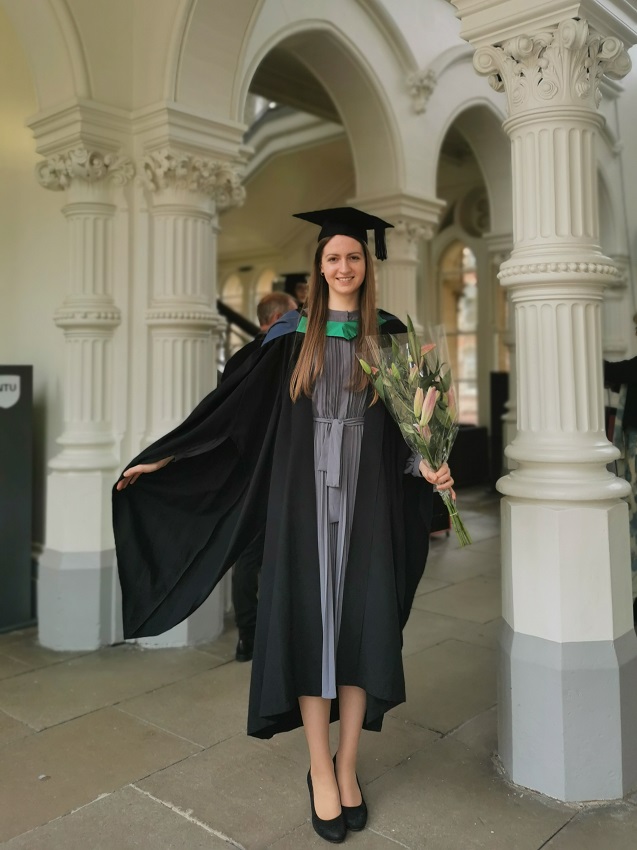
“First and foremost, there is an urgent need for new priorities and policies to be set up by the governments, local authorities, developers and urban planners to respond to the increasing threat of flooding. This enables architects, urban planners and other professionals to join forces and be more efficient in finding solutions.
https://zerobeyond.com/urban-farming-community-centre/
I have read how the creation of wetlands within the urban environment can significantly improve the city’s system for flood prevention by absorbing and storing floodwater and, in turn, reducing the pressure on the city’s drainage systems.
This and other strategies, such as proofing the roads and pavements, planting more trees, constructing smart buildings and rain storage tunnels to create a so-called ‘sponge city’, as well as incorporating more systemic urban design elements like surge barriers, seawalls and flood tunnels can help create an efficient water management system for more resilient cities.” – EMILIJA AUGUSTAITYTE, Architect, UAB, Vilnius, LITHUANIA

https://zerobeyond.com/aashiyana-autism-centre/
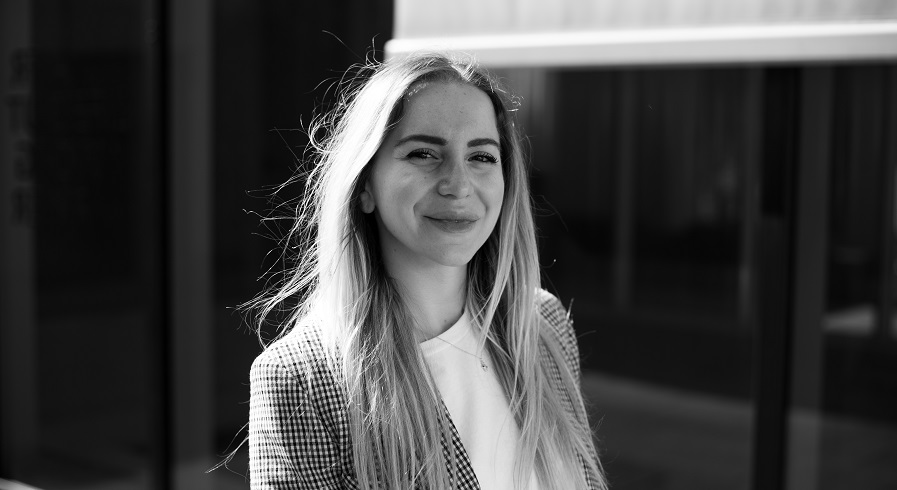
“Having being born and brought up in Guwahati, the Capital city of Assam, floods are something that I have seen causing havoc since forever. It is high time one does something about it. Planning cities better instead of letting them just turn into concrete jungles is extremely important. Vegetation and flood walls near shore lines, using permeable materials to make sidewalks and many such options can be explored to keep cities flood proof.” – BRINDA MIMANI, Architect, ACPL Design Ltd, New Delhi, INDIA
https://zerobeyond.com/edu-farming-bisceglie/
“European architects are taking giant steps in implementing innovative and sustainable design solutions that can empower humanity’s needs, while responding to climate change by lowering CO2 emissions.
For instance, new sustainable construction materials have been introduced in the last few years. Architects implement passive design strategies that maximize energy efficiency, and off-site Modern Methods for construction are being incrementally used. Unfortunately, I believe governments should financially provide incentives for clients, who are conscious of climate while doing projects rather than budget.” – SONIAMARIA LOSAPIO, Architect, AtkinsRéalis, Manchester, UK

https://zerobeyond.com/the-osing-museum-and-festival-center-banyuwangi/
“Architecture is one of the most significant factors causing global warming. Almost every process in architecture, ranging from the schematic phase, construction phase, usage and maintenance produce a high carbon footprint, which is very concerning. Therefore, I think designing a building that is friendly enough to its environment is every architect’s responsibility.
In my opinion, it will be great if architects of my generation and the future generation can collaborate more openly with engineers and scientists to create sustainable solutions to solve the issue, because sustainability involves commitment and continuous collaborative research between architecture, science and engineering. Sustainability discussion should also be applied to all campus curricula to raise awareness about the side effects of our field, as well as a medium to kick-start healthy debate and suggestive arguments to discuss the issue from one generation to another.” – ASIFA ULIMA KAFIN, PKBGKP First Member, Ministry of Housing and Human Settlements (PKP), South Jakarta, INDONESIA
https://zerobeyond.com/shelter-and-bathhouse-for-homeless-citizen/
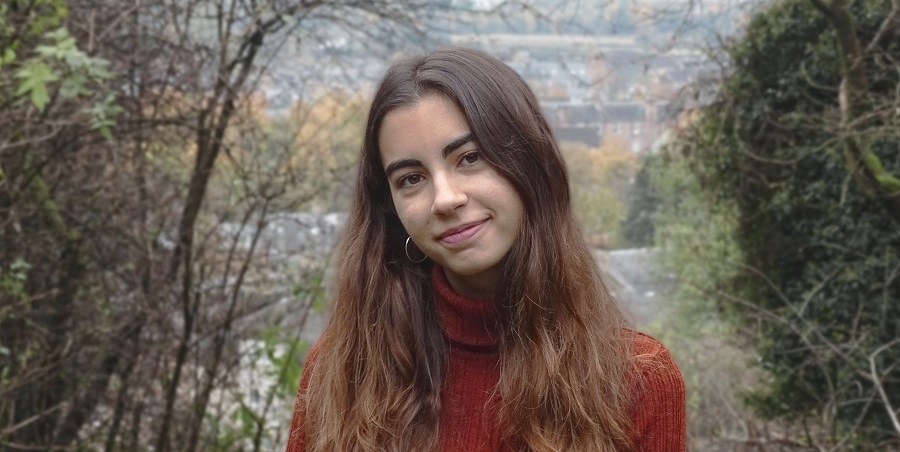
“One of the things we must accept is that cities, as we know them nowadays, are not at all climate resilient. I am not just talking about vehicle pollution or the lack of green spaces, which is something that we all already have in mind, but that it is unsustainable to maintain a planet in which large masses of people are concentrated in small territories of the planet.
Obviously, with the climate crisis there will be a rise in sea level, we will see periods of torrential rains in more parts of the world more frequently, while in others there will be water shortages and natural disasters will contaminate drinking water. I really do not have a clear answer. There are research groups and organizations worldwide dealing exclusively with this, but there are few examples where all these studies are put into practice and I think that, together with everything related to climate change, we are probably going to be late.” – PAULA ANDREU, Currently pursuing M. ARCH in Critical Urbanisms at University of Basel + Working as an Architect, Burckhardt, Basel, SWITZERLAND

https://zerobeyond.com/textile-hub-gaziantep/
“Floods are a great challenge that many cities are facing. The main reason behind this is that cities are not prepared for such catastrophes. I recently read an article providing some solutions such as the installation of the storage tanks, sewer backflow valves and underground reservoirs. These solutions are a bit expensive as an alternative. However, I believe cities should encourage the usage of permeable surfaces, especially the green surfaces, which can work as a sustainable drainage system.”– SAFAE JAOUAD, 2026 Graduated Master’s in Architecture – Urban Regeneration, Sapienza Università di Roma, ITALY

https://zerobeyond.com/meadow-lock-college-nottingham/
“In Nottingham, we have one of the UK’s largest green roofs, which are on the Newton building at NTU campus. Green roofs, such as this, are a perfect solution for over flooding of the drainage systems in cities. This is because when there is heavy rain, a green roof can hold onto a significant amount of water and release it slowly through the drainage system which would otherwise run-off a regular roof and cause over flooding of the system. Green roofs also have a number of other advantages in cities, such as filtering CO2 out of air and attracting bird species which helps local ecosystems.” – LYDIA DENIZ OSMAN, Former Residential Designer, Dwelling Design LLC, Idaho, USA

https://zerobeyond.com/accessibility-and-sensibility-a-universal-sense/
“I think we are a while away from finding permanent solutions to any current crisis. But, as more and more innovative ideas are being tested, I am confident there will be something that can be implemented on a large scale. For example, the idea of ‘floating houses’ – designed with buoyancy to adapt to changing water levels – or the design of houses on stilts show it is not a completely alien idea. With designers becoming more aware and receptive to environmental issues, I hope the focus will one day shift for these to become the central factors of global design proposals.” – EMMA LANGLEY, 2026 Graduated M. Arch, Birmingham City University, UK

https://zerobeyond.com/construction-and-demolition-waste-recycling-centre/
“Cities can use a well-connected and maintained drainage system with detention basins as well. Apart from this, vegetation could also reduce flooding mainly at distances from the shorelines and near footpaths and streets creating a sponge-like portion for the water. Use of permeable paving also helps to create a porous platform.” – LENITA LOBO, Master’s in Landscape Architecture, RMIT University, Melbourne, AUSTRALIA
https://zerobeyond.com/veronica-giorgia-carlotta-giannini-interview-italian/
Will NeuroArchitecture be able to tackle the herculean challenges of ‘Climate Crisis’? If so, briefly explain.
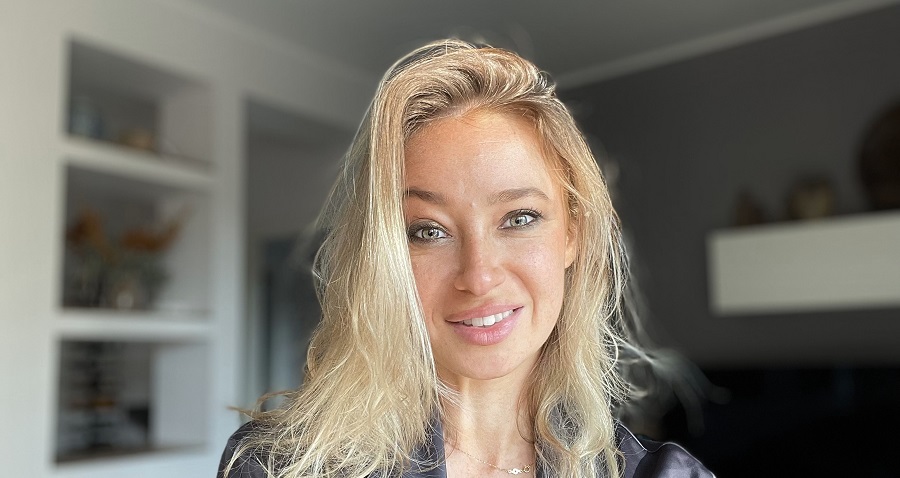
“From the way I see it, it probably works the other way around. Neuroscientific studies can help us understand the way human beings adapt to climate changes and their worrying consequences (temperature fluctuations, trauma caused by natural disasters, urban re-adjustment, etc.) on different levels (meaning, once again, on a scale that ranges from social behavior on an urban scale, to mental health and neurocognitive modifications).” – VERONICA GIORGIA CARLOTTA GIANNINI, Co-Founded S Y N S Ē A – a NeuroScientific Consulting Studio, Greater Milan, ITALY
THE BIG QUESTION:
Will anything really change on the real grounds?
The shameless answer in the PREDATORY ERA OF ELITES will always be – NAAH!
FEATURE PHOTO: Catherine Ritlaw
Image Courtesy: Respective Architects