SOLUTIONS EXIST – IMPLEMENTATION LACKS: GEN Zs Present their Perspectives
Yes, solutions to mitigate human greed catastrophes very much exist and are known to the global urban planners, architects, policymakers, etc – but where we humans are lacking is its “stringent and mandatory” IMPLEMENTATION.
Our GEN Z Series interviews have consistently showcased how the younger professionals are chipping in with their “priceless” perspectives and yet-to-be-fully-developed understanding to mitigate the every single day apocalyptic catastrophes across the world. The magnitude of “the” human greed catastrophes are increasing at breakneck pace – the pace we humans will never be able to “restrict” or else “STOP”.
It gives me immense pleasure and pride to see these youngsters have excelled in their career growth in a short span of their journey. Their success also demonstrates how their commitment and design creations are being rewarded by respective firms to encourage them further. I feel truly fortunate to interview these youngsters, who have not only enhanced my knowledge base, but also taught me a great deal about the trade.
As a committed “Global Solution-Provider” ‘zerobeyond – the new frontier!’ presents in its seventh part of our GEN Zs on EARTH CRISIS series, rational solutions from 5 young professionals, who come from different parts of the globe – UK, Romania, Nigeria, South Africa and Germany.
The one simple, essential question I always ask in our GEN Z Series interviews is…
Cities are getting inundated in a massive proportion due to flawed drainage and sewage systems apart from Climate Crisis – Your views about flawed urban planning and remedies to rectify to make cities flood-proof.
“I believe it is a predictable urban-level issue compounded by the climate crisis. However, learning from cities with green infrastructure, such as permeable pavements, green roofs and rainwater collecting systems, all should be used to combat floods in metropolitan areas. Creating green areas, such as gardens and parks that serve as water catchment zones can also be helpful.

Click-to-Read: https://zerobeyond.com/marine-havens-transforming-oil-platforms-into-habitats/
To manage the growing population of cities and lessen the effects of natural disasters, sustainable urban planning solutions and infrastructure investment are significantly required.” – ZEEL DHANGDHARIA, Façade Design Engineer @ AKT II, Greater London, UK
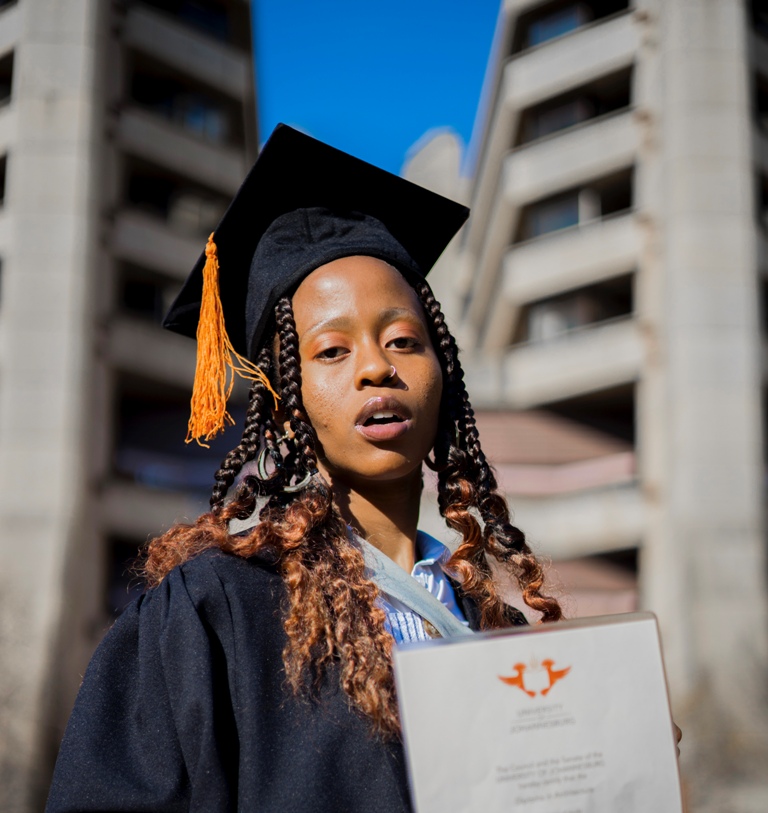
“In my opinion, I think going back to the drawing board with the local water authorities (public), private lateral drain/sewer owners and dealing with the unregulated sewers will help with seeing where the problem lies, and how to create interlocking systems that can be easily inspected and maintained.
Click-to-Read: https://zerobeyond.com/space-research-centre-johannesburg/
It is also important to create greener spaces and reduce the amount of solid ground surfaces by using porous materials, thereby allowing water the free movement to flow.” – NEO KHUMO NTLATLENG, Senior Architectural Technologist, Johannesburg, SOUTH AFRICA
“This problem happens due to the sewerage system not being effective, perhaps due to the shortage or incorrect functioning of the sinks or because the installation does not have the ability to store the volume of sufficient water. A possible solution can be to try that the water does not reach or arrive later to the installation, creating reservoirs, which can include phytodepuration systems in order to use this water.

Click-to-Read: https://zerobeyond.com/the-neutral-city-ciudad-meridiana/
Besides, it is known that the more permeable surface we use, the more we will reduce the problem. But in case of needing tiles, we are lucky that technology is constantly developing and there are currently permeable tiles, cities like Copenhagen are pioneers in their use. If we combine techniques like these, we can deal with this problem. I used these strategies in the project presented, since we intervened in a flood zone due to topography.” – HILLARI .S. ZARCO CANIDO, Ingenieurin | Architektin (AKH) | Tragwerksplanung | BIM @ Ingenieurbüro für Bauwesen Dipl.-Ing. Lothar Strutt, Dreieich, GERMANY

Click-to-Read: https://zerobeyond.com/evolving-vertical-metropolis-nicosia/
“I believe we need to start at the beginning. It all begins with planning, but now we should begin to consider the impacts and factors of climate change. Apart from looking back at the problem, perhaps by incorporating new technologies and adopting better planning strategies and regulations, this issue can begin to be adequately addressed. Finally, it is important to consider individual actions along with an approach that addresses infrastructure and planning.” – FOLASHADE OMOTOKE JOSEPH, Production Manager at Makerspace @ 16/16 (Sixteen by Sixteen), Lagos, NIGERIA
Click-to-Read: https://zerobeyond.com/regeneration-of-dambovita-river-zone-bucharest/
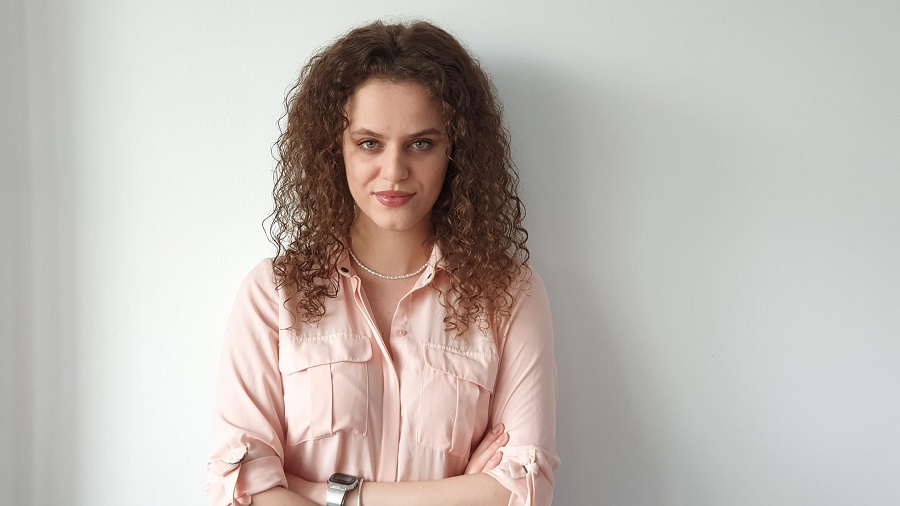
“Urban planning plays a critical role in creating resilient and sustainable cities that can withstand the impacts of climate change. Flawed drainage and sewage systems are a result of inadequate planning, and they contribute to the flooding of cities during extreme weather events. To rectify this issue, it is essential to integrate green infrastructure such as permeable pavements, green roofs, and rain gardens into urban design.
These measures can help manage storm water runoff and prevent it from overwhelming drainage systems. Additionally, improving the maintenance and management of existing infrastructure can also play a crucial role in ensuring cities are flood-proof. Overall, a comprehensive approach that includes both green infrastructure and improved infrastructure management is necessary to address this issue effectively.” – ALVINA TURCOMAN, Architect @ ARKIDAVA STUDIO, Bucharest, ROMANIA
Watch out for PART VIII of the Series…..
Image Courtesy: Respective Architects