The GEN Z generation is definitely going to reshape the realm of architecture for safeguarding their future with the help of renowned senior professionals. Even though, we have already overshot the phase to safeguard Planet Earth from Earth Crisis. The ferocious onslaught of Nature with the never-ending Human Greed has not only increased the magnitude and proportion of these destructive catastrophes, but also raise the big question – do humans really even care about all these catastrophes?
When I interview young professionals for the GEN Z Series, one question I never miss to ask is:
How can or will architects of the present times overcome the ‘Climatic Catastrophes’ to safeguard the community at large for the safe future of the generations to come?
Here are some fascinating practical responses from these young professionals, who have shown outstanding potential with their consistent professional growth to unleash their creativity with empathy:

ROUAA MAMOUN OSMAN – https://zerobeyond.com/covid19-responsive-architecture/
“I believe today architects should make a building as sustainable as it can be, by using natural resources and sustainable building materials, Implementing renewable energy, etc. Also, with individuals and corporations becoming ever more aware of climate change, the call for architects to adopt eco-friendly solutions is going to grow.” – ROUAA MAMOUN OSMAN, Freelance Architect + Teaching Assistant, Khartoum, SUDAN

CHRISTINE DAABOUL – https://zerobeyond.com/collective-living-space/
“Climate change has been a serious topic haunting the world lately. As buildings are a major element in global warming, there are ways to help with this matter as an architect. The obvious way would be the use of renewable energy, which can be easily included in every project. Another way would be to adapt with the existing buildings and their surroundings using smart sustainable materials.
For buildings that are already in place, specific strategies would be implemented to each unique building working towards its needs and what it could provide. That could be, for example, lowering carbon emissions. Another way I would like to add would be following the SDGs according to each building’s environment.” – CHRISTINE DAABOUL, Co-Founder & Head of Digital Design, Saiko (Estd August 2023), Beirut, LEBANON

ANDREEA RUSU – https://zerobeyond.com/andreea-rusu-interview-romanian/
“As architects or aspiring architects, we are currently utilizing and emphasizing a variety of strategies to combat this global issue. I think the main problem is not within the architectural field, but with the general population. We cannot force clients to see the importance of sustainable options in a design. Similarly to the philosophy of my project (where the solution to addiction is not coercion, but education), I believe we must start by advocating for stronger means of climate change education in schools.
A significant part of the problem is that people simply are not aware to what extent the problem is serious. It is no longer enough for the architect to be proficient in sustainable strategies. Only when the clients will be educated on the topic too, will the conversation truly change.” – ANDREEA RUSU, Programme Coordinator, Westminster City Council, London, UK

ALOYSIA GRISELDA – https://zerobeyond.com/aloysia-griselda-interview-bahasa-indonesia/
“Like I mentioned before, understanding architecture means to understand every other aspect of life, including how humans’ daily life affects the earth’s climate. Before dealing with the climatic catastrophes, we must first start from the smallest thing, which is the ‘cause’ of it. A good architect can manage humans to live more environmentally friendly and prevent environmental damage.
When designing projects, architects must be able to understand the conditions and the possibility of climate change or natural disasters that can occur in the region. So designs can be made in harmony with the climate, made semi-permanent with an easy construction and demolition system to face effects of climate change, and make them ‘mobile’ to move and adapt easily in various places, etc.” – ALOYSIA GRISELDA, Architect, Ciputra Group, West Jakarta, INDONESIA
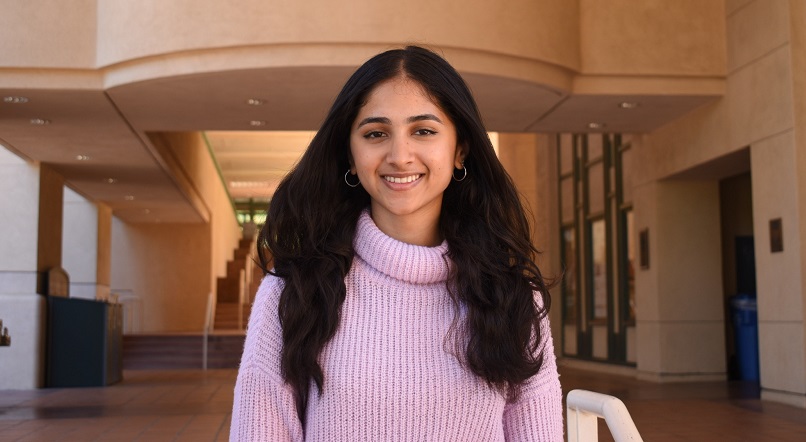
RISHIKA GOKHALE – https://zerobeyond.com/cradle-high-density-affordable-housing/
“Over the past decade, the dire need for change in mentality, practices and approach has become apparent. With the rapidly deteriorating state of the world’s climate and environment, architectural firms around the world are keeping sustainability and environmental response at the forefront of their practices.
The architects of present time and aspiring architects have faced the consequences of climate change first-hand, which encourages them to be the force of change. I, as an aspiring architect, strive to be part of an enlightened and forward-thinking architectural community that creates this change and practices sustainable design. By incorporating such mindful practices – both newly discovered and ones that were practiced by our ancestors, we can safeguard the ability of future generations to be successful, without compromising that of our own.” – RISHIKA GOKHALE, Architectural Designer, SmithGroup, San Francisco, USA

FOTEINI KALLIKOUNI – https://zerobeyond.com/summer-retreat-in-verga/
“The key to a sustainable future lies in climate-based design, use of local materials in order to avoid carbon emission, reuse or recycle building materials, if possible, and integration of renewable energy in any building project. If architects of the present decided to design more with a sense of modesty, perception of scale and respect of nature, then they would set a good example for generations to come.” – FOTEINI KALLIKOUNI, Adjunct Assistant Professor, Columbia University Graduate School of Architecture, Planning & Preservation, USA
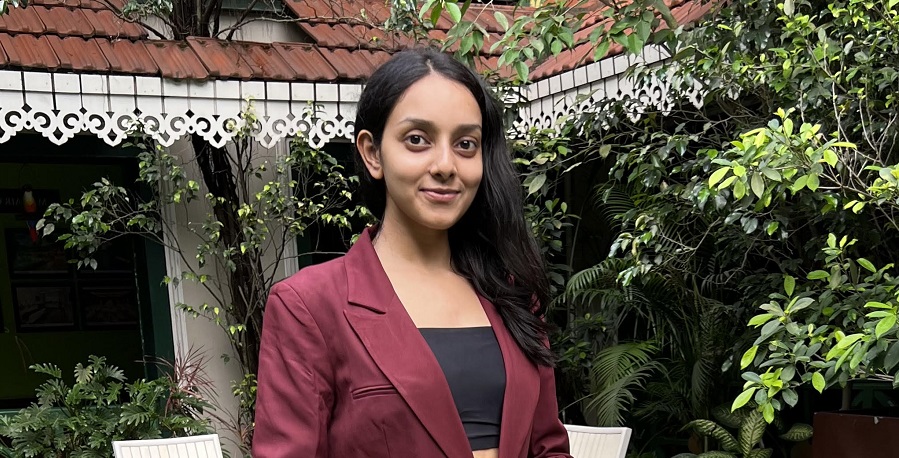
ADITI SHAW – https://zerobeyond.com/campus-for-sports-science-and-training/
“The land is the most valuable resource available to us, not in the hope of destruction and waste disposal. Due to the impact of industrialization and urbanization, people often tend to fall into the real estate business and decorative lifestyle, which causes stress to nature, land and the very consumers of its availability. Architects have enormous power and authority to override climatic catastrophes by following steps of passive and sustainable techniques in their designs.
There are different strategies and attempts like those of designing spaces without wastage of materials by reusing waste, reducing embodied carbon by the usage of carbon-smart materials, and retrofitting existing buildings to meet high-performance standards for reducing near and mid-term carbon emissions. Along similar lines, my thesis ‘Handling of the Waste with Social Acceptance’ explored adaptation of a decentralized waste management system by saying ‘No’ to the landfills and creating awareness about waste segregation towards fostering community well-being.” – ADITI SHAW, Freelance Designer, Bangalore, INDIA

ESTHER NYAMBURA KARANJA – https://zerobeyond.com/mwea-agriculture-and-technology-institute/
I recently came across a graphic showing how much research and information there currently is in the construction industry about sustainability and climate conscious design, but unfortunately it has borne very little fruit in terms of application and policy formulation. I think the role of architects is now to push for application of these principles.
We have the information we need to facilitate a shift towards climate-adaptive or mitigative design. Now, our big role is to apply this information effectively and efficiently. Continuously, innovation is also the key and now more than ever we need to persistently iterate existing ideas and tools to achieve maximum benefit.” – ESTHER NYAMBURA KARANJA, Graduate Architect, Urko Sanchez Architects, Nairobi, KENYA

TEJASWINI RAO – https://zerobeyond.com/scandinavian-treat/
“Climatic catastrophes are alarming to create nature-friendly spaces. It is high time that all the designers and architects should choose Mother Earth over everything else. Reusing old furniture, incorporating eco-friendly products, less usage of glass and the list goes on, where designers and architects can make use of to minimize the adverse effects on nature.” – TEJASWINI RAO, Interior Designer, Bangalore, INDIA

SASA SAHLAN – https://zerobeyond.com/gaea-genetic-engineering-research-centre/
“Interior designers and architects actually play a big role to minimize the effects of the Climate Crisis, especially the type of material used to prevent the increase in temperature, carbon and production. It is important for architects and designers to have a high level of problem solving to practice a sustainable and green building index approach in their designs.” – SASA SAHLAN, Interior Designer, Berjaya Land Bhd, Kuala Lumpur, MALAYSIA
Image Courtesy: Respective Architects
Watch out for PART V….