“Nuestra Serie Generación Z desafía la idea de que el reconocimiento debe llegar tarde!”
Mientras que a la mayoría de los estudiantes de arquitectura se les dice que esperen décadas antes de ser escuchados, estos 9 diseñadores de la Generación Z de Asia ya están proponiendo soluciones a las inundaciones, el colapso climático, la salud mental y los desafíos de la supervivencia urbana.
Jóvenes recién graduados están transformando el futuro de la arquitectura con sus tesis de fin de carrera:
– El proceso creativo de lluvia de ideas;
– Largas noches de insomnio;
– El rigor de las críticas académicas en el aula;
– Las perspectivas de los profesores;
– Investigación exhaustiva;
– Implementación de lo que otros han pasado por alto;
– Bien preparados para abordar “crisis de la Tierra” con soluciones prácticas;
Los “Arquitectos Renombrados del Mañana”: la generación más joven de arquitectos recibe mentoría a través de nuestra exclusiva “Serie Generación Z”. ¡El año 2025 fue realmente “verdaderamente especial” para ‘zerobeyond – the new frontier!’ al alcanzar este increíble hito!
Desde Indonesia hasta India, de Irán a Nepal, la generación más joven de arquitectos asiáticos está redefiniendo la arquitectura global con sus tesis académicas: están dando rienda suelta a su creatividad con declaraciones contundentes de que esta joven generación moldeará el mundo a su manera, de forma racional, para superar el mayor desafío de la “crisis de la Tierra”.
Los estudios de diseño en el campus: ¡solo la línea de partida!
El escenario global: ¡ahí es donde pertenecen sus voces!
‘zerobeyond – the new frontier!’ comparte la pasión de estos jóvenes, quienes se dedican a contribuir a la sociedad de maneras significativas. La unidad global fortalecerá nuestra lucha contra las “catástrofes causadas por la avaricia humana”.
Presentamos los 9 mejores artículos de la Generación Z del año 2025:

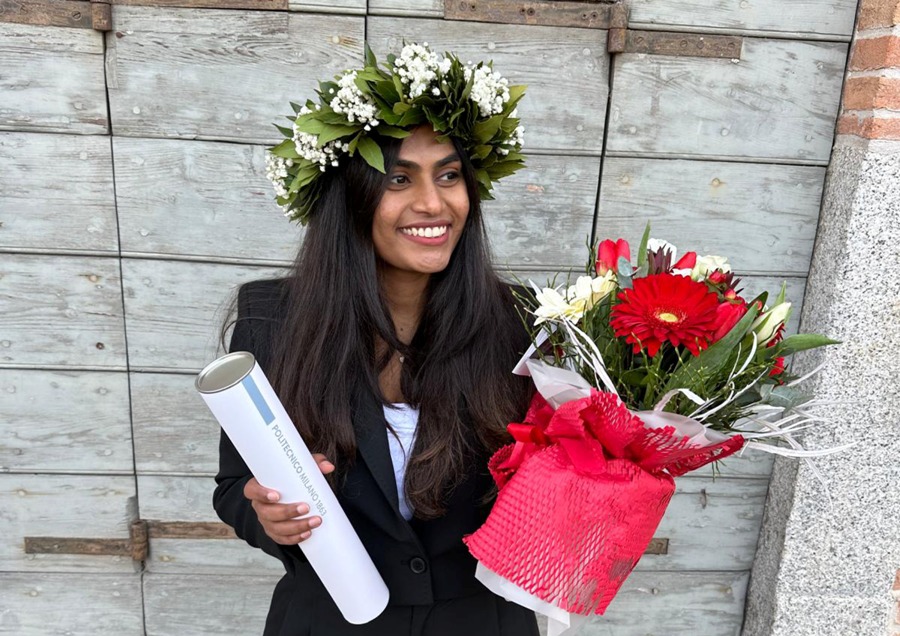
No.1: Click to Read: https://zerobeyond.com/molumudu-hayati-gorontalo-indonesia/
No. 1: Molumudu Hayati, Gorontalo – Indonesia by SALMA PUTRI WIDYASIH
‘The Waterfront Development of Perintis Lake, Bone Bolango as a Green Open Space and Culinary Market with Sustainable Tourism Approach’
The project adopts the concept of “Molumudu Hayati”, meaning “Sustaining Life”, through a sustainable tourism and community empowerment approach.
The site spans 15,000 m² and is divided into three development phases. The design includes on green open spaces, a local culinary market and eco-friendly infrastructure to enhance the area’s functionality, while preserving its natural ecosystem. The culinary market serves as a platform for local entrepreneurs, promoting regional MSME and generating economic opportunities. Meanwhile, the green open space provides a recreational area that strengthens the community’s connection with nature.
No. 2: Click to Read: https://zerobeyond.com/the-oasis-urban-flood-resilience-chennai/
2. The Oasis: Urban Flood Resilience, Chennai by NIKHITA MUDRABOINA
Chennai is a delta city on India’s southeastern coast that has been severely impacted by ongoing changes in climatic patterns. Rapid urbanisation is engulfing all green and ecologically sensitive areas with impermeable concrete surfaces, resulting in water logging in every part of the city with the slightest downpour.
There are three major rivers that run across the city, as well as numerous lakes, ponds and wetlands. Human interference and development along these corridors have resulted in the shrinking of these buffer zones.
The project is designed to address this pressing issue through the implementation of a three-phase strategy aimed at enhancing the city’s water drainage network.
By leveraging NBS – Nature-Based Solutions, the project endeavours to establish a regional sponge by interconnecting water bodies and green spaces, thereby facilitating groundwater replenishment and mitigating the incidence of recurrent floods.

No. 3: Click to Read: https://zerobeyond.com/sayung-flood-resilient-houses-central-java/
3. Sayung Flood Resilient Houses, Central Java by DITTA ALFIRA WAHYUNI
The ‘Sayung Flood Resilient Houses, Central Java’ project is designed to address the pressing challenges of flooding and land subsidence in this coastal area, critical issues made more urgent by the ongoing rising sea levels. The urgent need to respond to these environmental challenges is crucial for protecting the community and ensuring long-term resilience.
The project is designed to emphasize in strengthening the social fabric of the community. The design aims to foster a strong sense of belonging and encourage social interactions. The design recognizes Sayung will not only be a place of resilience against natural challenges, but also be a vibrant interconnected community.
The project is not just about building houses, but also is about creating a space where people are inspired to support one another and work together to shape a better future. Through this vision, Sayung will become a model of sustainable and flood-resistant living with a deep sense of community.

No. 4: Click to Read: https://zerobeyond.com/beyond-the-concrete-horizons-bangalore/
4. Beyond the Concrete Horizons, Bangalore by SUNAINA PRASAD
My project, ‘Beyond the Concrete Horizons – Nurturing Bangalore’s Green Identity through the Green Wedge Strategy’ addresses the city’s struggle to balance rapid urban growth with its natural heritage.
Bangalore, once the ‘Garden City’ and ‘City of Lakes’, faces shrinking green spaces and fragmented urban nature. The current green belt proposal has limitations in accessibility, and encroachment naturally happens, causing agricultural land loss.
My thesis proposes a green wedge strategy that integrates green spaces throughout the city, promoting connectivity and ecological resilience rather than isolating nature at the edges. Urbanization accelerates to meet the growing needs and integrating green spaces in the urban fabric makes it essential, not optional.
This strategy enhances both environmental health and social inclusivity, creating spaces where people and nature thrive together. The project allowed me to bridge academic research with practical solutions.

No. 5: Click to Read: https://zerobeyond.com/traditional-childrens-playground-alam-santosa/
5. Traditional Children’s Playground, Alam Santosa by SHERINA PUTRI
The project ‘Design Strategy of Traditional Children’s Play Facilities to Enhance the Aspect of Edutainment’ is designed to present a playground facility that is not only fun, but also educational for children by embracing the concept of edutainment based on local culture.
Located at Alam Santosa, the facility aims to revive traditional Sundanese children’s games, known as Kaulinan Barudak, within a safe, interactive and educational environment.
The elegance of the project is reflected through the theme “Taman Rakyat Jawa Barat” (The People’s Park of West Java), which harmonizes nature, culture and spatial functionality.
No. 6: Click to Read: https://zerobeyond.com/decarbonizing-smes-using-circular-economy-uttar-pradesh/
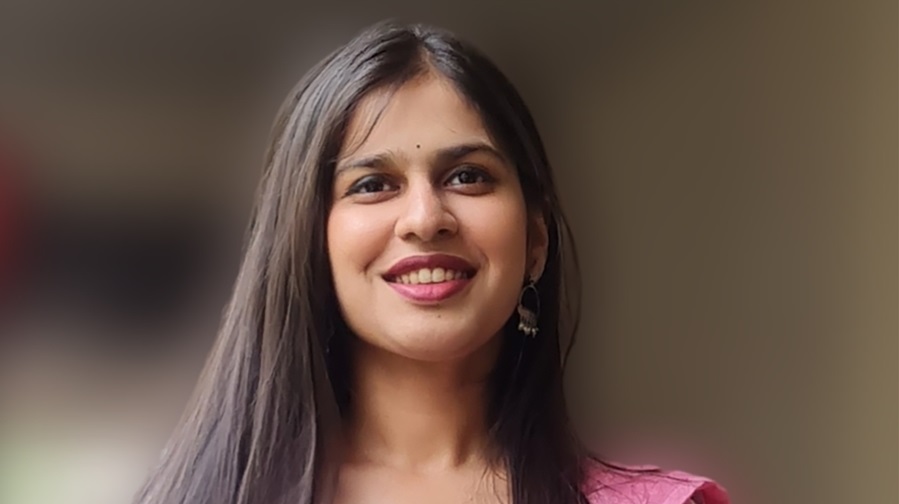
6. Decarbonizing SMEs using Circular Economy, Uttar Pradesh by RADHIKA AGARWAL
My project focuses on bridging climate action with economic resilience by studying how circular economy principles can reduce emissions from SMEs —particularly in polluting clusters in Uttar Pradesh.
SMEs form the backbone of India’s economy, but are often neglected in climate discourse. Through a blend of stakeholder interviews, policy analysis and spatial data, I mapped material flows and proposed interventions such as waste-to-resource strategies, common effluent treatment plants and decentralized renewable energy.
The project highlights the potential of integrating environmental policy with industrial ecosystems, showcasing how planners can facilitate low-carbon, inclusive growth. It is significant not only for its policy relevance, but also for its scalability across other States facing similar challenges.

No. 7: Click to Read: https://zerobeyond.com/the-missing-layer-in-neuroarchitecture-shiraz/
7. The Missing Layer in NeuroArchitecture, Shiraz by REYHANEH RAISI
‘The Missing Layer in Neuro-Architecture: Scalable Environmental “Safety & Calm” Mapping for Everyday Urban Spaces’ Significance: Many urban moments feel stressful for reasons that are small but cumulative – glare, exposure to traffic, harsh lighting and unclear edges. My project develops a lightweight, scalable workflow to locate and fix these moments. The process runs into three steps:
Sense & Label: In controlled VR scenes and field mock-ups, we record eye movements and simple ‘Physio Affective’ cues, while participants experience different spatial variations.
Pattern & Predict: We look for consistent patterns – where do people relax, where do they tense up? Simple models then help predict how a given combination of features will likely affect calm and legibility.
Design & Verify: We propose micro-interventions (deeper eaves, side shields, noise buffers, biophilic edges, non-glare lighting, clearer thresholds) and re-check that the experience actually improves.
By focusing on “ordinary” places where thousands wait, pass and pause – the project aims to make cities kinder and more legible – a practical bridge between research and the places we use every day.
No. 8: Click to Read: https://zerobeyond.com/earthquake-memorial-lalitpur-nepal/
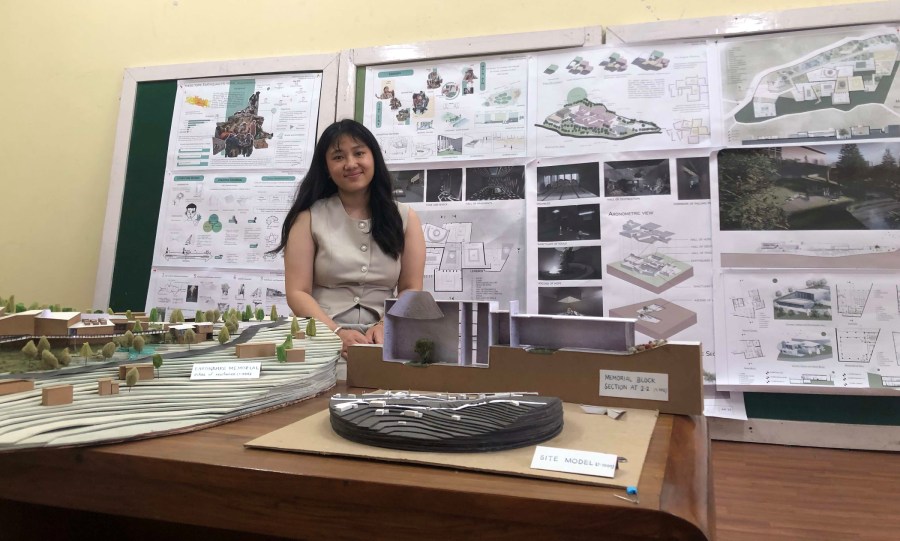
8. Earthquake Memorial Lalitpur, NEPAL by AAYUSHI TAMANG
The project is a poetic description of the journey of 2015 Earthquake, which aims to honor the stories of individuals impacted by these events. Through a range of emotions, this journey transforms one’s state of mind from day-to-day, gradually bringing a sense of understanding to the tragic nature of past events. The journey of the memorial starts with feelings of discomfort and fear.
It serves as a place of reflection, honouring the resilience and unity of the Nepali people – as they rebuilt their lives and communities in the aftermath of the earthquake.
No. 9: Click to Read: https://zerobeyond.com/how-the-gen-z-series-is-launching-young-architects-into-global-stardom/
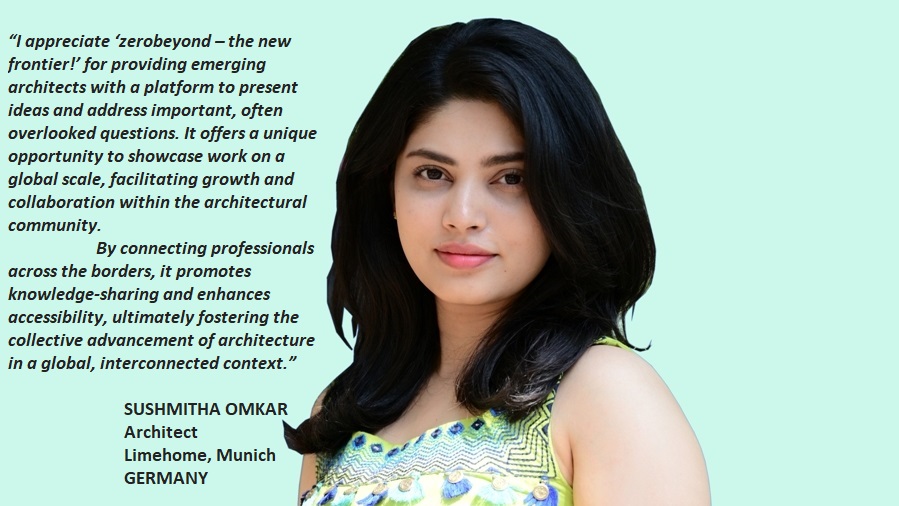
9. How the “GEN Z Series” is launching Young Architects into Global Stardom
The GEN Z Series was created with one fierce belief: the youngest minds in architecture should not have to wait decades to be seen.
Today, the GEN Z Series stands as a beacon for the next generation — a movement with tangible impact, real opportunities and transformative potential.
By showcasing architectural theses, design explorations and personal journeys, the series gives students and fresh graduates a global stage at a moment when most are still finding their footing. Each feature reminds readers that architecture is not just a profession — it is a human story shaped by identity, culture, ambition and resilience.
The GEN Z Series’ Interviews are:
- Demystifying professional realities;
- Normalizing mistakes and experimentation;
- Highlighting the value of mentorship;
- Celebrating growth as an ongoing, nonlinear process.
Image Courtesy: Respective Architects