“Your design creations should precede your Name!” – Johnny D, Founder, ‘zerobeyond – the new frontier!’ 17th March 2026
The younger generation of architects should always remember this path-breaking philosophy of mine to achieve greatness in life. Ironically, in today’s fast-paced attention-grabbing world, it is just the opposite. How sad!
These five greats in the history of architecture etched their names with the above philosophy, even before I was born.
Antoni Gaudí – a recluse dedicated entirely to his craft
Frank Lloyd Wright – believed that architecture should be “organic”
Le Corbusier (Charles-Édouard Jeanneret) – He actually changed his name to a pseudonym to separate his “person” from his “ideas”
Oscar Niemeyer – his creations literally built the Capital of a nation – Brasília
Zaha Hadid – The Genius “Queen of the Curve” was known as ‘the Paper architect’
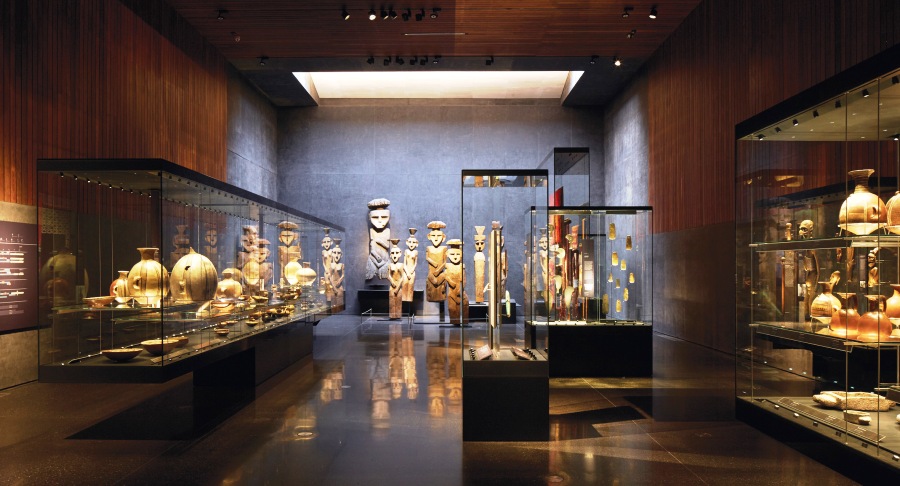
Chile Antes de Chile – Photo Courtesy: Cristobal Palma
Interestingly, the 2026 Pritzker Laureate Smiljan Radić Clarke, Chilean Architect also built his reputation without ever seeking the limelight. Being the second Chilean Architect to win the Pritzker Prize following Alejandro Aravena in 2016, Smiljan Radić Clarke spent nearly three decades to achieve this unique distinction. The world will be surprised to know that he does not even have any OFFICIAL WEBSITE. How great is this???
Smiljan Radić Clarke does not maintain a traditional “official website” for his architectural practice. Instead, his studio, Smiljan Radić Clarke, operates as a small practice based in Santiago, Chile.
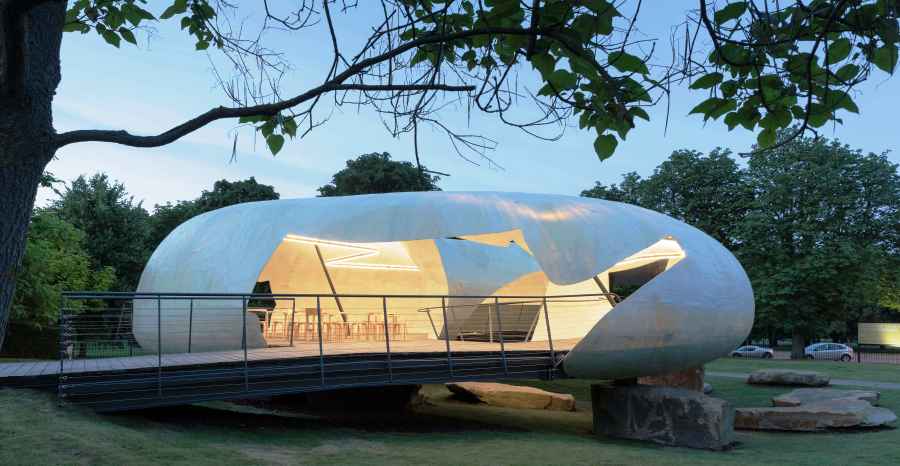
Serpentine Gallery Pavilion – Photo Courtesy: Iwan Baan
“SOMETIMES, YOU HAVE TO PRODUCE YOUR OWN ROOTS THAT GIVE YOU FREEDOM.”
Acknowledgement by the world to make your name synonymous with greatness is the epitome of an individual that surpasses every possible success in the world. Astoundingly, no amount of money in the world can ever buy this moment of pride in one’s life. HARD WORK and CREATIVE THINKING are the keys to achieve one design creation at a time. It takes decades of self-believe and egoless commitment to better lives of millions and billions across the nations and continents.
Smiljan Radić Clarke’s life forms a non-continuous history shaped by movement, openness and the gradual construction of meaning. Having been born in Santiago to a Croatian father and British mother, Little Radić grew up with a heightened awareness of belonging, fostering an understanding of life as something assembled, not merely inherited. He has continued to live and work from Santiago, Chile, sustaining an intentionally intimate practice in which architecture remains personal, attentive and deeply felt.
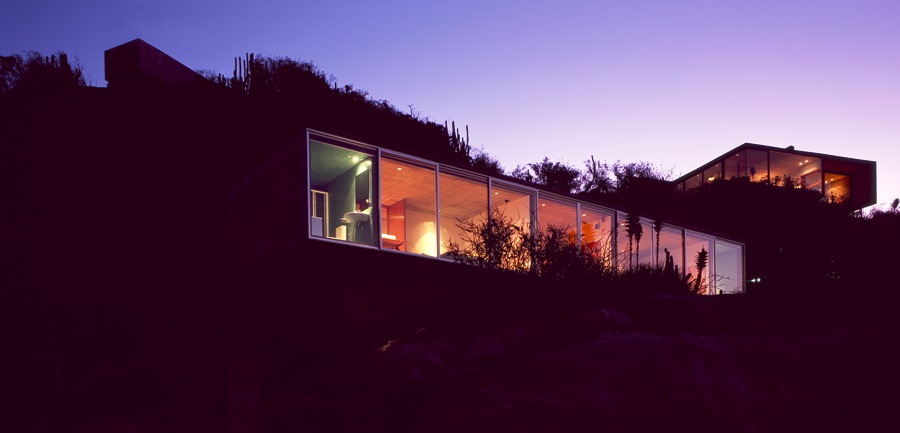
Pite House – Photo Courtesy: Erieta Attali
PATH TO ARCHITECTURE
Like every child in the world, Little Radić too was fond of drawing in the good old days. At the age of 14, architecture found this natural creative individual – it was filled by him overcoming doubts and discovering series of experiences that would shape Little Radić into an awe-inspiring genius in the architecture world. He joined the Pontificia Universidad Católica de Chile to pursue architecture. At his initial attempt at the final exam, Smiljan Radić Clarke failed. Finally, he graduated from the university in 1989.
The failure proved to be formative instead of a setback for Smiljan Radić Clarke. He went onto study history at the Istituto Universitario di Architettura di Venezia, and travel abroad extensively. In one of his interviews, Smiljan Radić Clarke stated that ‘it was the most essential Course of his education’.
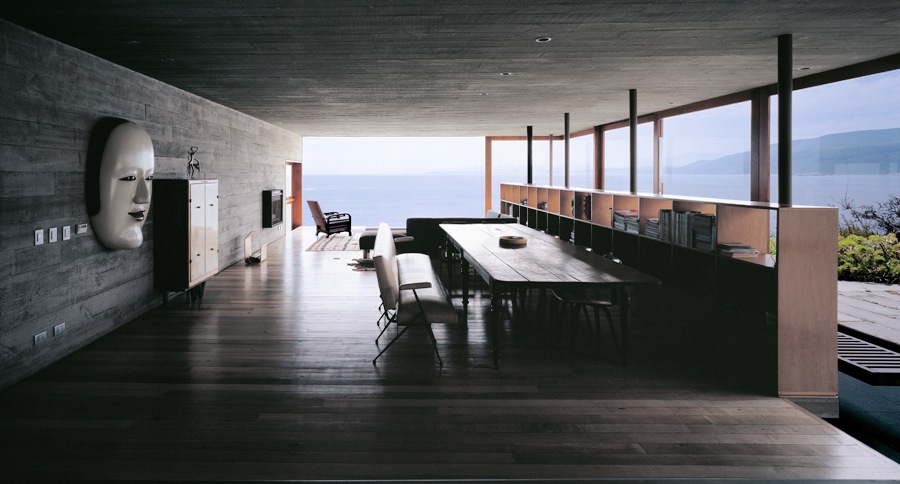
Pite House – Photo Courtesy: Hisao Suzuki
SCULPTED IN LOVE
Smiljan Radić Clarke met sculptor Marcela Correa during his college days. From being a client, Marcela eventually married the genius. In 1995, he established his eponymous practice Smiljan Radić Clarke in Santiago, Chile. The loving couple intentionally kept their studio intimate in scale. Two years later in 1997, they designed their first house ‘Casa Chica’ in Vilces, Chile. It was a small 24-square-meter Casa, which the couple built by hand in the Andes Mountains.
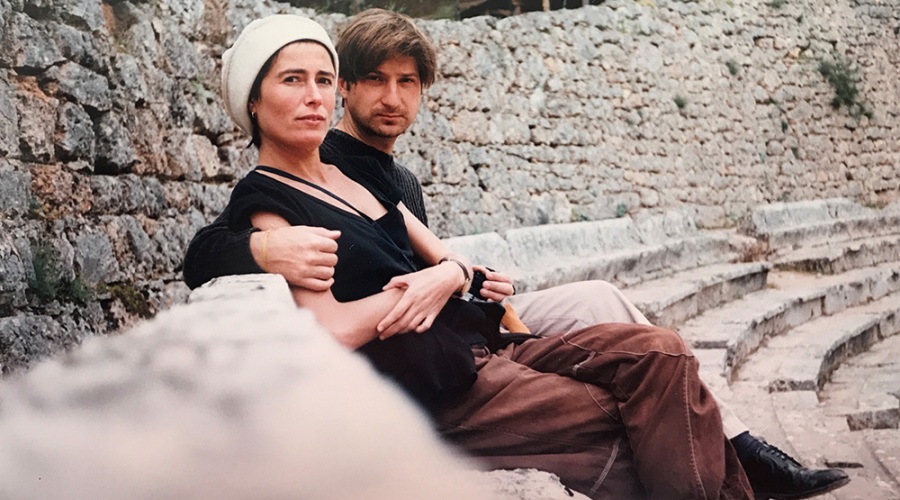
The Loving Couple – Photo Courtesy: Smiljan Radić
SHELTER–REFUGE AND PROTECTION
In one of his interviews, he had reflected, “There is a complexity in enclosure: a shelter provides a distance from reality, whereas a refuge urges you to feel that the life inside is unique. But what we need is protection—a place of stability to accept fragility.” Sustained inquiry and personal circumstances led Smiljan Radić Clarke to reexamine enclosure as condition of resistance, care, and quiet resilience. This tension between shelter–refuge and protection–introspection mirrored Smiljan Radić Clarke’s own experience of constructing stability in the absence of fixed roots.
From civic and cultural institutions, commercial buildings, private residences and temporary structures, his interests expanded across scales and typologies over time. In 2010, along with Marcela Correa, he created ‘The Boy Hidden in a Fish’, a granite and cedar installation for the entrance of the 12th International Architecture Exhibition at the Venice Architecture Biennale. It was curated by Sejima Kazuyo, Juror and the 2010 Pritzker Prize Laureate, which shelters human figures within mass, reflecting this attention to bodily and emotional register.
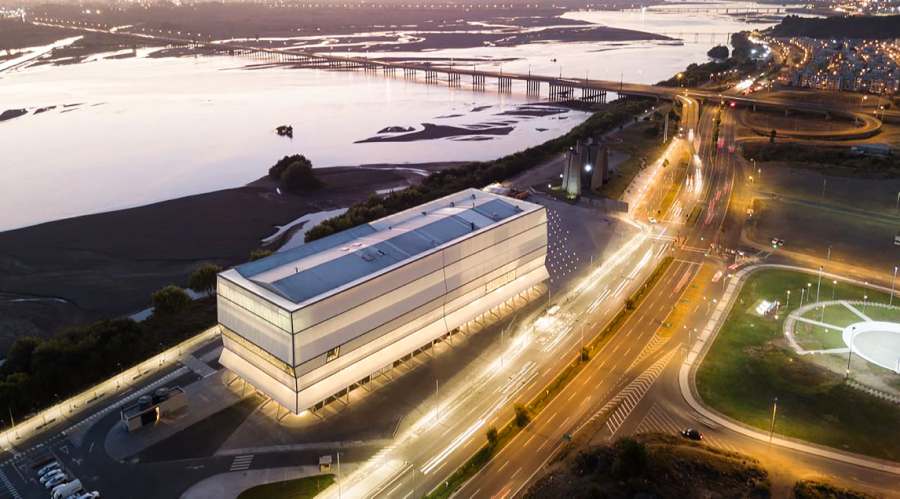
Teatro Regional del Biobío – Photo Courtesy: Iwan Baan
“I HAVE ALWAYS TRIED TO BUILD SETTINGS WHERE OTHERS MIGHT DISCOVER EMERGENT IDEAS.”
When your design creations precede your name – prestigious projects land automatically. In the year 2014, Smiljan Radić Clarke was selected to design the 14th Serpentine Pavilion in London, United Kingdom. His works suggested an architecture that remains attuned to emotional presence and the quiet intelligence of construction. The Serpentine Pavilion – a translucent fiberglass shell resting upon load-bearing stones, resulting in a temporary refuge that is neither fully enclosed nor openly transparent became a hallmark.
To support experimental architecture that challenges disciplinary boundaries, Smiljan Radić Clarke established the Fundación de Arquitectura Frágil, housed within his home studio in Santiago. The foundation reflects Smiljan Radić Clarke’s belief in architecture as a collective and evolving practice through exhibitions, workshops, and shared inquiry.
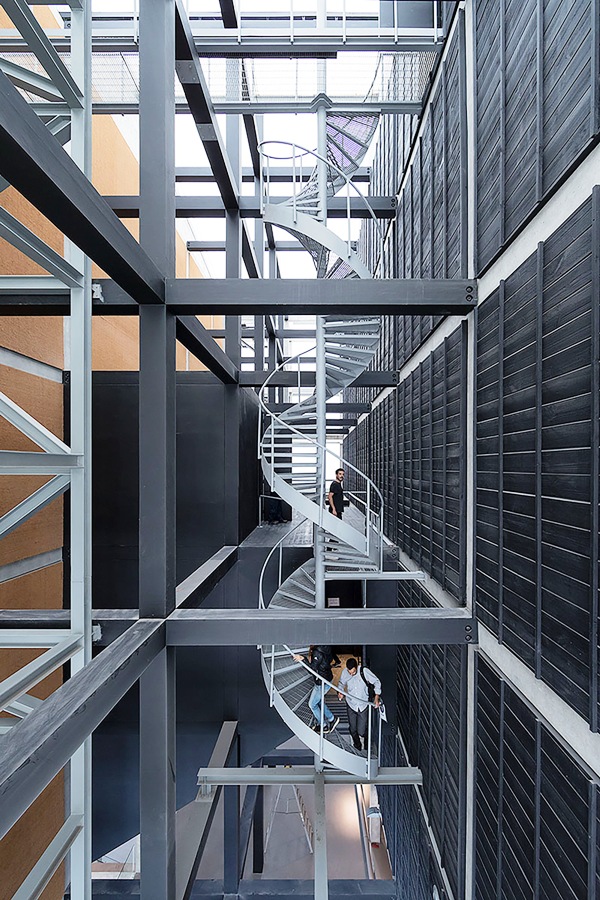
Teatro Regional del Biobío – Photo Courtesy: Iwan Baan
HONOURS, AWARDS AND WORKS
Needless to say, Smiljan Radić Clarke’s design creations had stamped his touch of genius for the world to acknowledge the sheer brilliance. In 2001, the Colegio de Arquitectos de Chile named Smiljan Radić Clarke the “Best Architect Under 35” – followed by the Architectural Record Design Vanguard Award, USA in 2008, the Oris Award, Croatia in 2015, the Arnold W. Brunner Memorial Prize from the American Academy of Arts and Letters in 2018, and the Grand Prize at the Pan-American Architecture Biennial of Quito in 2022.
Smiljan Radić Clarke’s work has been featured in major exhibitions internationally. Prominent among them are ‘Global Ends’ at Gallery Ma Tokyo, Japan in 2010; ‘Un Ruido Naranjo’ at Museum of Contemporary Art Hiroshima, Japan in 2012; ‘The Wardrobe and the Mattress’ at Hermès Gallery, Tokyo, with Marcela Correa in 2013; ‘BESTIARY’ at TOTO Gallery Ma, Tokyo, Japan in 2016; ‘The House for the Poem of the Right Angle in Endless House: Intersections of Art and Architecture’ at The Museum of Modern Art New York, United States in 2015–2016; and ‘Guatero Bubble’ at the XXII Bienal de Arquitectura y Urbanismo de Chile in2023.
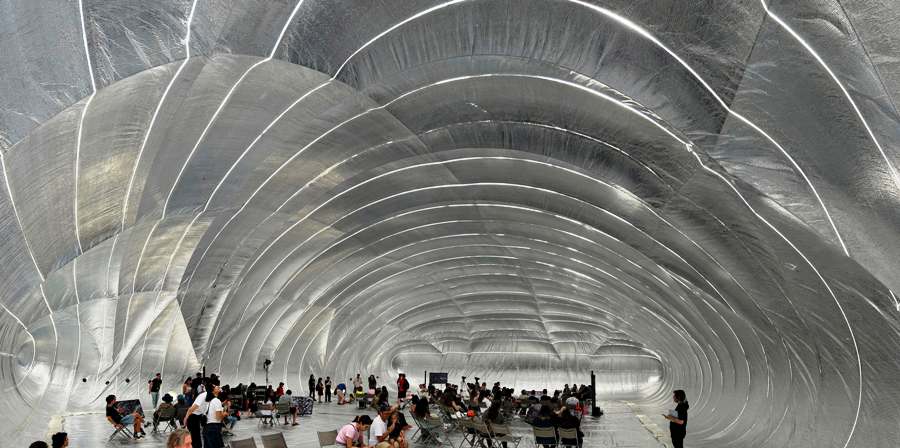
Guatero Exhibition 2 – Guatero – Photo Courtesy: Smiljan Radić
PRITZKER ARCHITECTURE PRIZE JURY CITATION
Smiljan Radić Clarke refuses a repeatable architectural language; instead, each project is approached as a singular inquiry, grounded in first principles and informed by non-continuous history. Context, use and anthropological awareness take precedence. Site is understood not only in physical terms, but also as a convergence of history, social practice, and political circumstance.
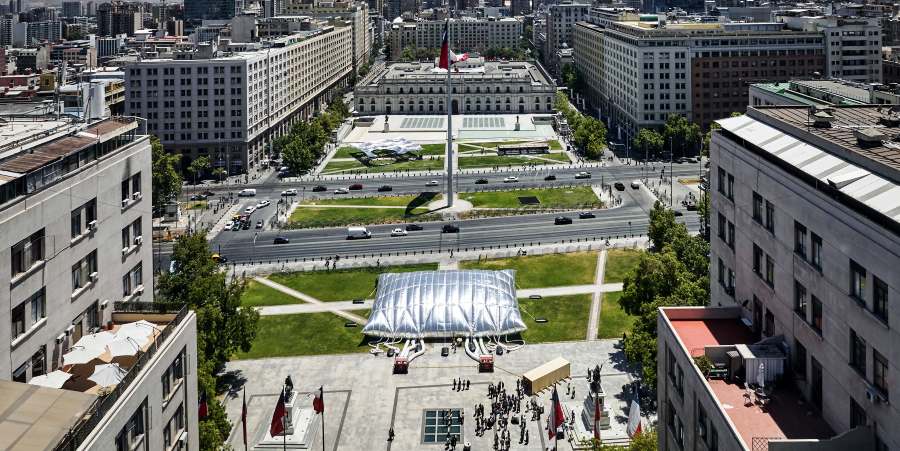
Guatero Exhibition – Photo Courtesy: Cristobal Palma
“In every work, he is able to answer with radical originality, making the unobvious obvious. He reverts back to the most irreducible basic foundations of architecture, exploring at the same time, limits that have not yet been touched. Developed in a context of unforgiving circumstances, from the edge of the world, with a practice of just a few collaborators, he is capable of bringing us to the innermost core of the built environment and the human condition,” stated Alejandro Aravena, Chair of the Jury
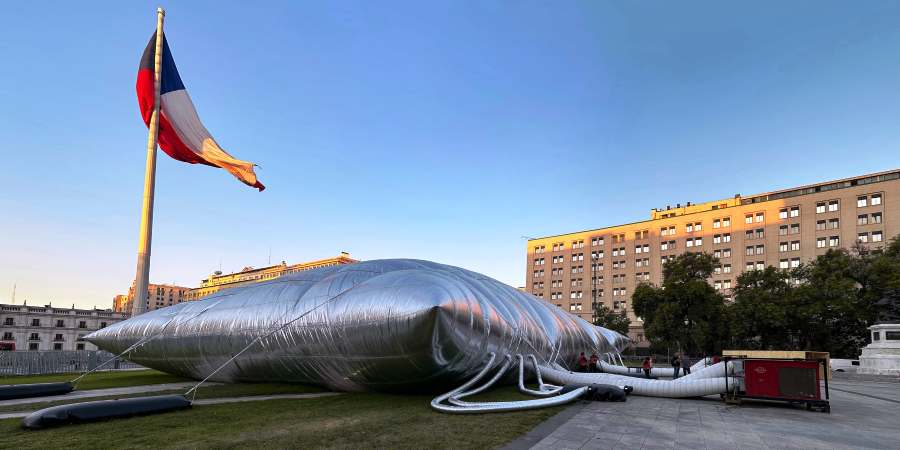
Guatero Exhibition – Photo Courtesy: Smiljan Radić
“Through a body of work positioned at the crossroads of an iconoclast language, material exploration and cultural memory, Smiljan Radić Clarke favours fragility over any unwarranted claim to certainty. His buildings may appear temporary, unstable, or deliberately unfinished—almost on the point of disappearance—yet they provide a structured, optimistic and quietly joyful shelter, embracing vulnerability as an intrinsic condition of lived experience.
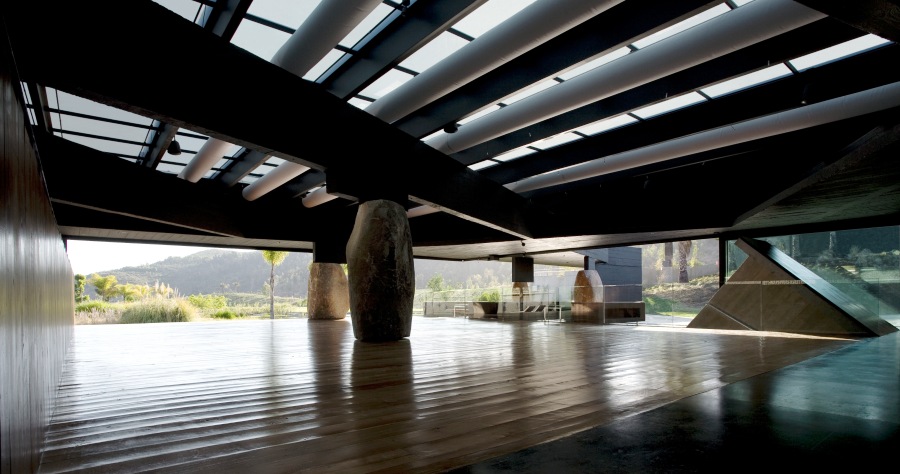
Restaurant Mestizo – Photo Courtesy: Gonzalo Puga
They are not firmly anchored to the ground; rather, they are delicately placed upon it, often hovering slightly above the surface and only occasionally making contact. Any lasting alteration to the site is carefully avoided, as though they could be removed at any moment and the ground restored to its original state. Inspired by the powerful and yet seismic Chilean environmental context and shifting from the logic—often implicit in construction—of domination and ownership towards coexistence, Radić presents architecture as a guest rather than a master of the site, acknowledging the primacy of the landscape and, by extension, of collective memory and shared territory over individual authorship.
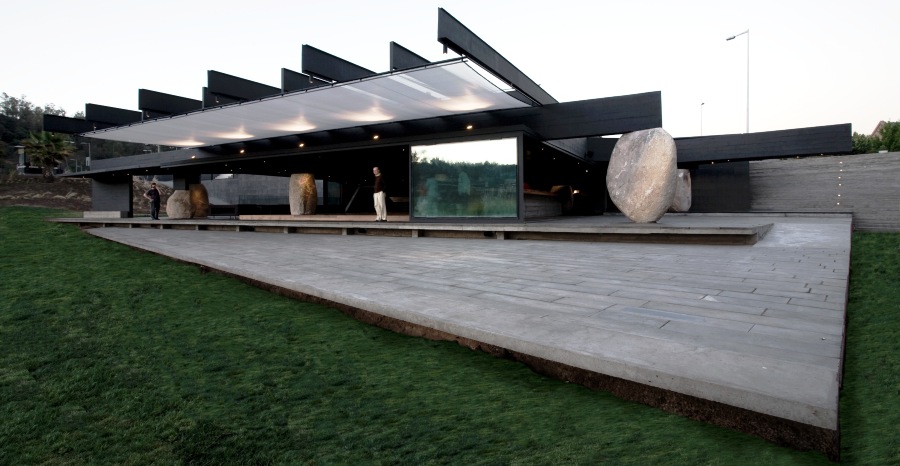
Restaurant Mestizo – Photo Courtesy: Gonzalo Puga
For reminding us that architecture is an art, in that it touches the very core of the human condition; for allowing the discipline to embrace imperfection and fragility, offering quiet shelters in a world shaped by uncertainty, without the need to be louder or more spectacular in order to matter; for creating buildings whose hybrid nature reflects the contemporary blurring of disciplinary boundaries, and which do not speak on behalf of people but instead allow people to find their own voice through them, Smiljan Radić Clarke is named the 2026 Pritzker Prize Laureate.”
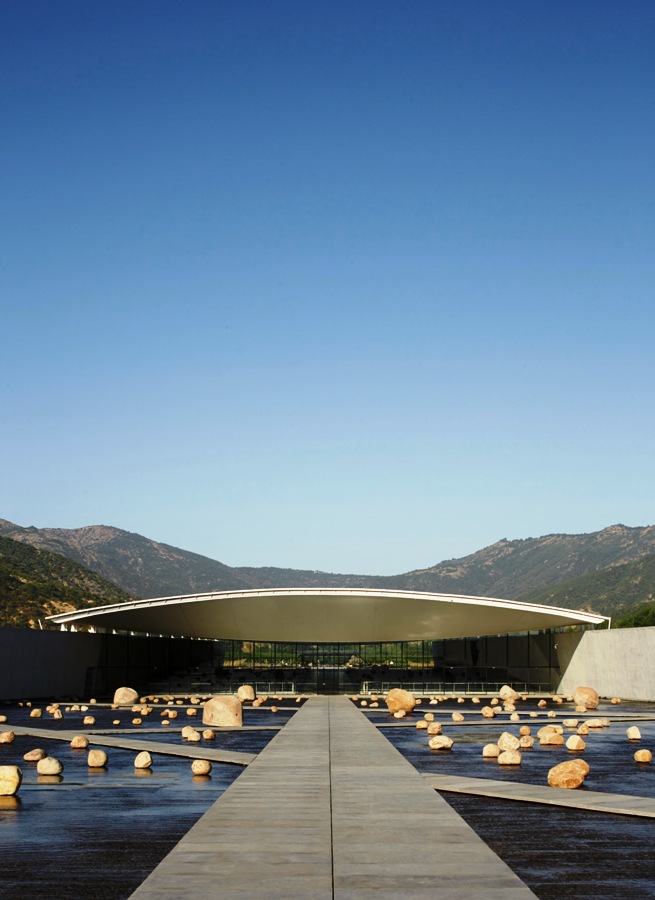
Vik Millahue Winery – Photo Courtesy: Cristobal Palma
Photo Courtesy: The Pritzker Architecture Prize