The Architecture of First Impression
For architects in the digital age, a professional portrait is no longer optional—it is a critical requirement. It is a statement of intent. Before a client studies your drawings, walks through your spaces, or reads your philosophy, they see you. In a profession built on vision and precision, your visual presence sets the tone for how your work is perceived. A professional portrait does more than capture a face; it projects credibility, authorship, and the conviction to stand behind your designs. In an era of instant digital judgment, that first impression remains the most enduring one.
The ‘Zaha’ Standard: A Lesson for the Next Generation
A casual snapshot is not a professional portrait; pretending otherwise suggests a lack of rigour in your own craft. Consider Zaha Hadid: her portraits were as deliberate and commanding as her structures. They were never casual, never accidental. That visual intensity communicated authority and vision before she ever spoke. Architects obsess over light, proportion, and form in their projects—yet many leave their own image to chance. Your portrait is a silent introduction in rooms you have not entered yet. In a global, image-driven profession, a high-caliber portrait is no longer a luxury—it is a foundational requirement.
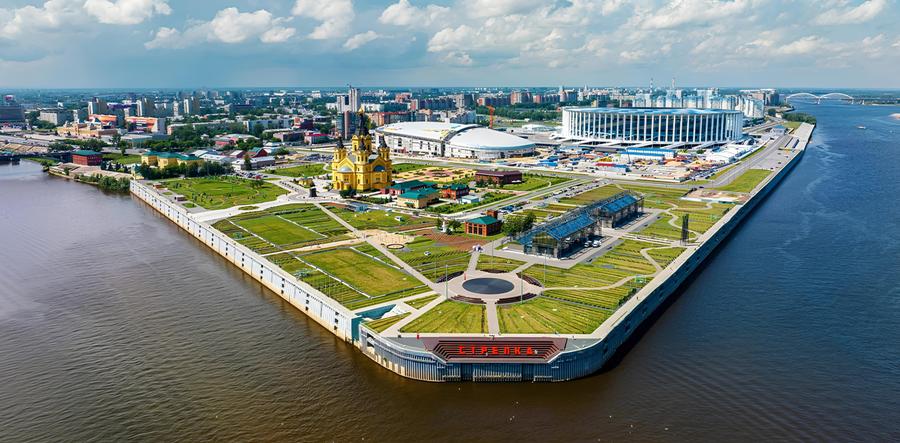
Panoramic View of Warehouses in Nizhny Novgorod
Mentoring the New Frontier
‘zerobeyond – the new frontier!’ stands at the forefront of mentoring the next generation of architects. Through our GEN Z Series, we offer priceless insights designed to help emerging professionals cultivate their niche and lead with intentionality.
From Iran University of Science and Technology, Tehran, the GEN Z Series travels to Rostov-on-Don, the southern city of Russia to meet Anastasia Bogoduhova, a Senior Architect currently working with Russian architecture firm BLANK in Moscow.
Anastasia Bogoduhova enthuses, “I completed my Master in Architecture of Public and Civil Buildings from Southern Federal University’s Academy of Architecture and Arts, Rostov-on-Don in 2015. I grew up surrounded by creators, engineers and thinkers, who quietly shaped my worldview. With a couturier mother, an entrepreneurial father, and a lineage that spans structural engineers, professors, aerospace specialists, and even a biologist – who served during a cholera outbreak in India – I inherited problem-solving, discipline and imagination from early childhood (smiles).”
Anastasia Bogoduhova has won multiple awards in the last decade. She has worked in various firms, prominent among them are: Five Principles Architectural Studio, We-On, Simple Interiors, SPEECH and BLANK. Johnny D has a lively interaction with Anastasia Bogoduhova to explore her journey in the architecture field and understand her design philosophy to elucidate about her work ‘Transformation of 19th Century Warehouses, Nizhny Novgorod’.
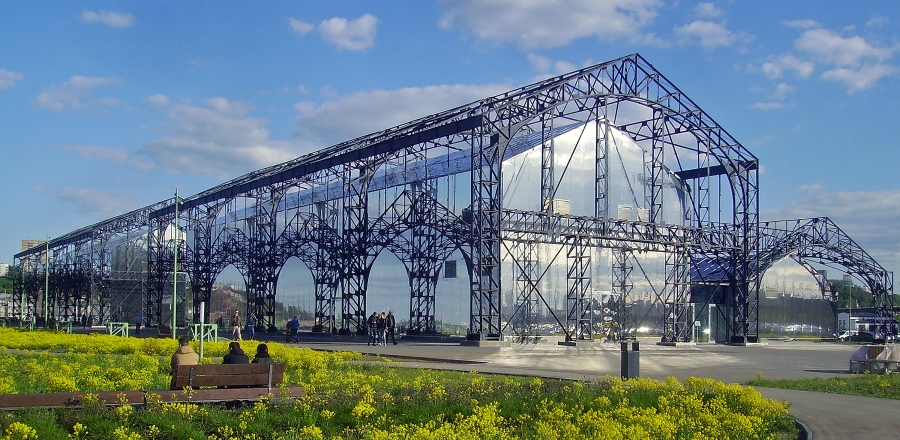
Warehouses in Nizhny Novgorod – III
What was your childhood ambition? Have you always wanted to become an architect?
Architecture fascinated me as a complex, multidisciplinary field at the intersection of many sciences and arts. I don’t know of any other profession where one must think like Leonardo da Vinci, calculate the thermal conductivity of structures and defend a project before city authorities with the eloquence of a TED Talk speaker (smiles).
How has architecture influenced your life as a student?
We had to study a great deal. Those were sobering years that taught me that true achievement is only possible, when you dedicate yourself to the craft completely.
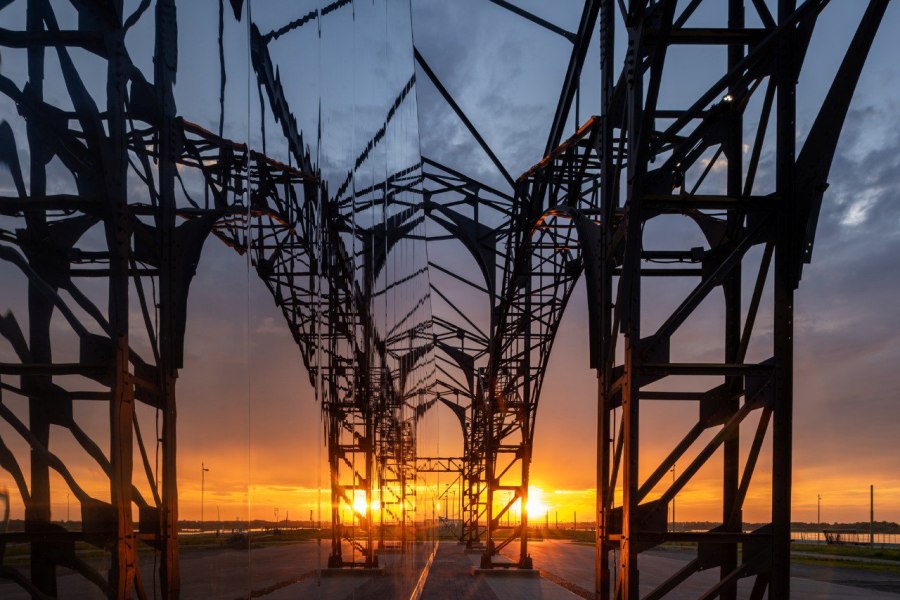
Warehouses in Nizhny Novgorod – II
Briefly tell us about your University and the Master’s Course.
The Academy of Architecture and Arts is one of the country’s leading architectural institutions. It gave me a strong scientific and technical foundation. I graduated from the Department of Public Buildings Architecture, studying not only conceptual design, but also engineering systems, structural design, architectural physics and philosophy. I sincerely hope the institution continues to uphold these high standards today and forever.
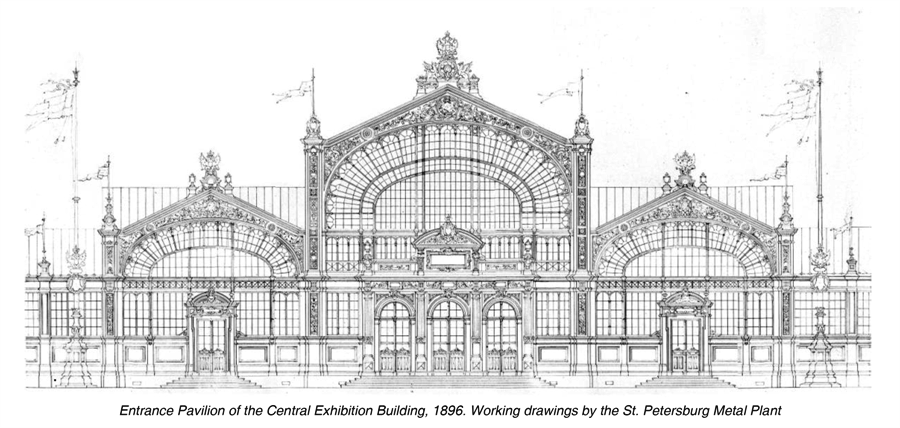
Historic Working Drawings by the St. Petersburg Metal Plant
Briefly describe the significance of your project with the ‘Title of the Project and Site Location’.
I sculpt material stories. My portfolio includes projects defined by bold façade concepts – mirror volumes, metal, stone – while remaining deeply site-sensitive in both natural and heritage contexts.
Among them, the most telling is the ‘Transformation of 19th Century Warehouses in Nizhny Novgorod’, designed with amazing team in bureau SPEECH. It exemplifies the restoration and reinvention of cultural heritage: openwork metal trusses, created in 1882 for the All-Russian Exhibition and hidden for more than a Century, are now revealed as autonomous art objects.
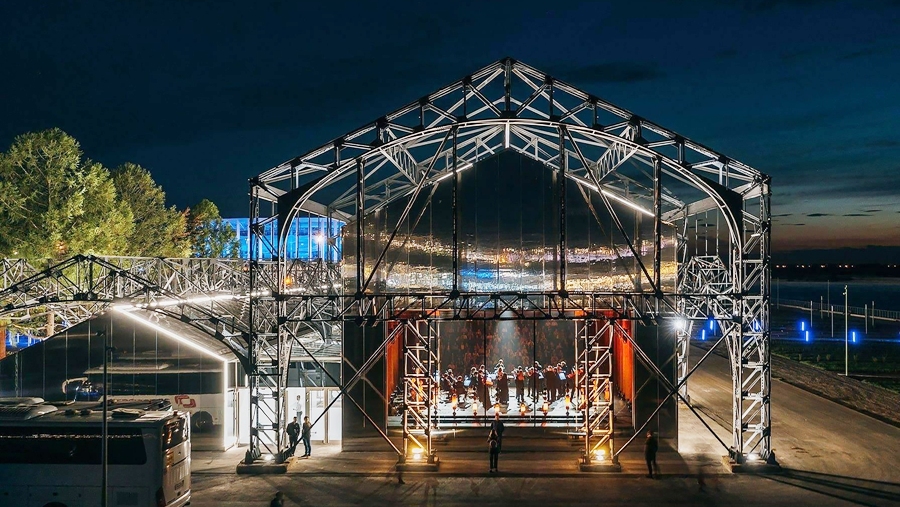
Concert Hall with Panoramic Stained Glass Window
Inside, new exhibition and concert halls are seamlessly embedded within this historic frame. Mirror façades give the volumes a striking incorporeality – they neither compete with the original structures nor fade into them, but instead revitalize the site with new energy. Each warehouse – composed of larger and smaller volumes – has been reconnected through a translucent – roofed vestibule.
The laced metalwork literally penetrates the interior. Enclosed in custom glass cases, these historic elements are elevated into museum-like exhibits. New pavilions echo the proportions of the 19th Century packages, their polished steel façades reflecting the trusses in a continuous dialogue of past and present. The central glass vestibule completes the composition, offering layered views that reveal the historic structure from within.
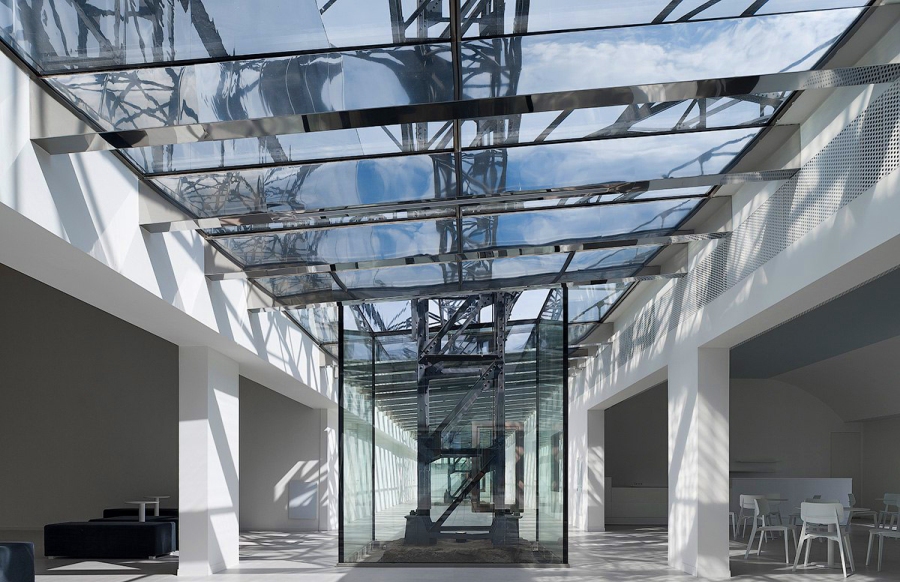
Interconnection by a Vestibule with Laced Structures
Which National or International architect has inspired / influenced you? Please specify as to why?
The 20th Century undoubtedly witnessed numerous architectural revolutions, but my greatest discovery was Zaha Hadid. She was a woman, who created a revolution long before the arrival of digital tools and AI. She taught me that courage itself expands the boundaries of what is possible.
Another important mentor for me has been the outstanding Russian-German architect Sergei Tchoban. I was fortunate to work in SPEECH, the leading architectural bureau in Russia, under his guidance. There I experienced firsthand how major international firms operate and contributed to the design of complex cultural projects.
Sergei Enverovich taught me that an architect must combine the highest level of expertise with an extraordinary flexibility in decision-making when working on projects of any scale.
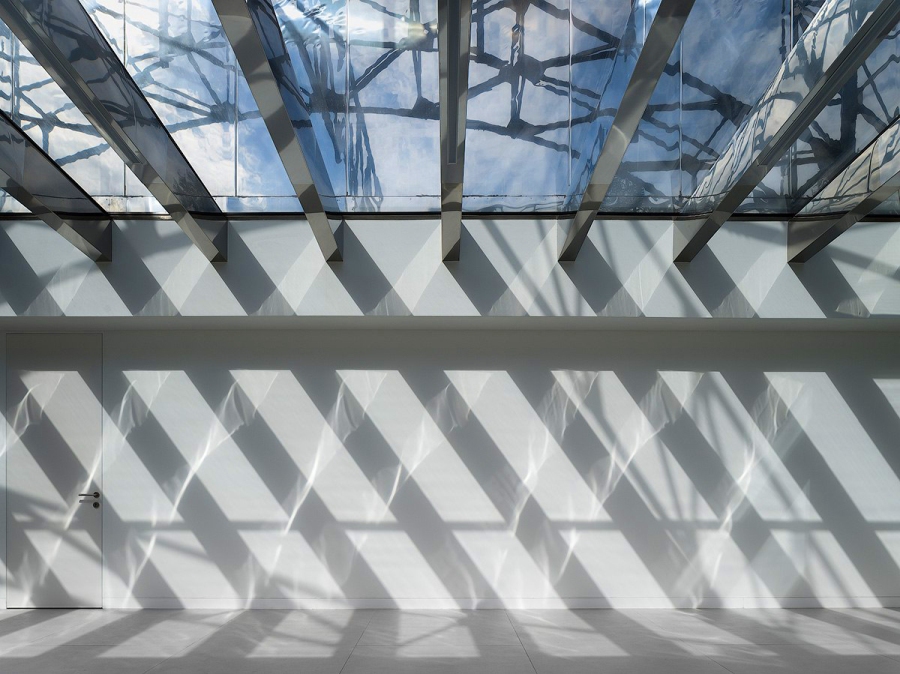
Mirror Stainless Steel Paneling creates a Caustic Effect in the Interior
As an Intern, what is the most important lesson(s) you have learned from senior architects, while being a part of a project?
My first job was a true baptism by fire: I went through every stage from an initial site sketch to detailed construction documentation. I am a strong advocate of practice. I strongly believe that young architects limit themselves, if they only focus on conceptual sketches without mastering technical knowledge.
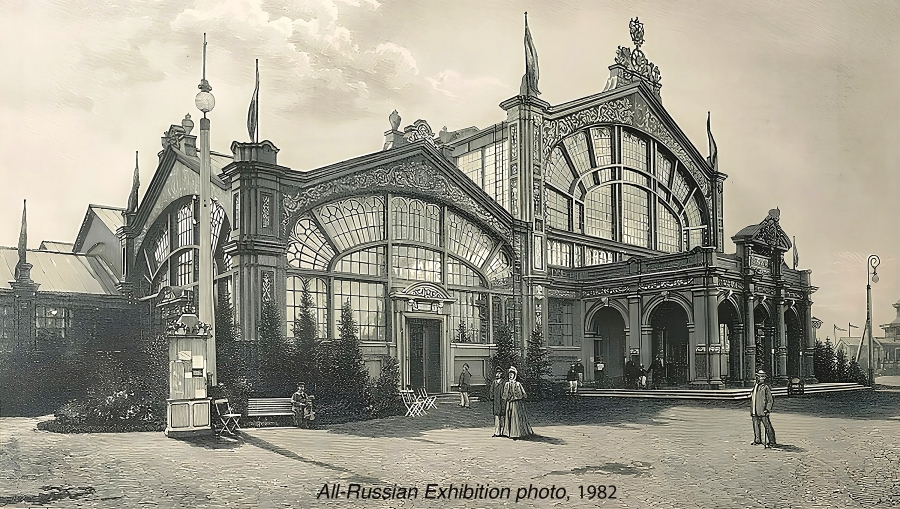
All-Russian Exhibition 1882
What role do you perform as a Senior Architect at BLANK, Moscow, Russia?
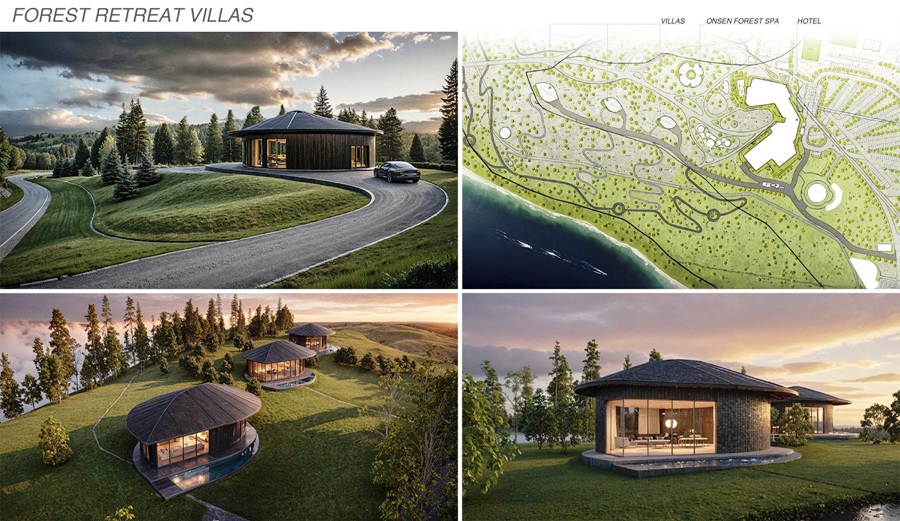
As a Senior Architect in the Concept Department at BLANK, I designed resorts and high-end residential complexes. Beyond traditional practice, I explored new creative methodologies, experimenting with neural networks for conceptual research and narrative visualization. I was particularly intrigued by AI-generated video, which-transcending conventional formats-transforms a standard project presentation into a cinematic trailer.
This blend of architectural thinking and emerging AI technologies expands how ideas can be communicated to clients and stakeholders, offering a more immersive and forward-looking design experience.
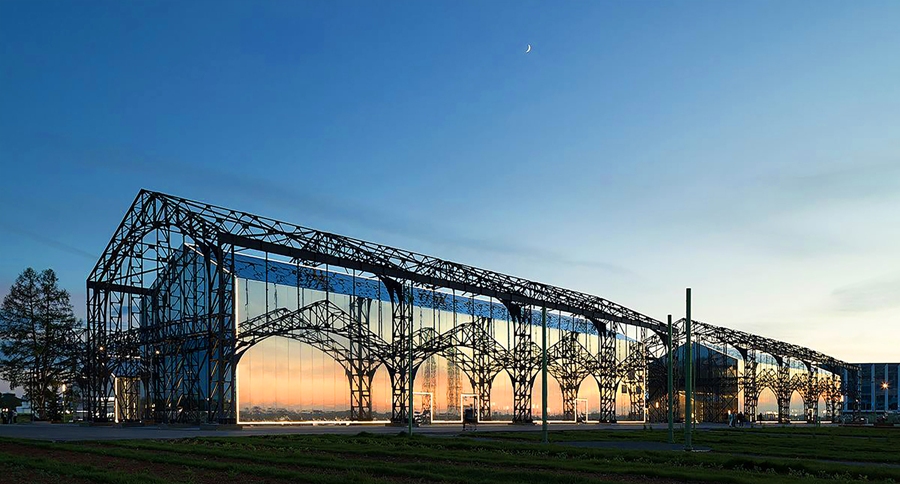
Warehouses in Nizhny Novgorod – I
Bus Stand Shelters around the world has become iconic symbol of ‘Hostile Architecture’. Elucidate how ‘Bus Stand Shelters’ can be made commuters-friendly to protect them from rain, hail and storm, so that it becomes iconic architecture symbols of every city in the world.
Bus stand shelters, too often reduced to hostile minimal structures, must be re-imagined as sanctuaries of protection. In rain, hail, storm, or extreme heat, they should safeguard commuters rather than merely mark a transit point.
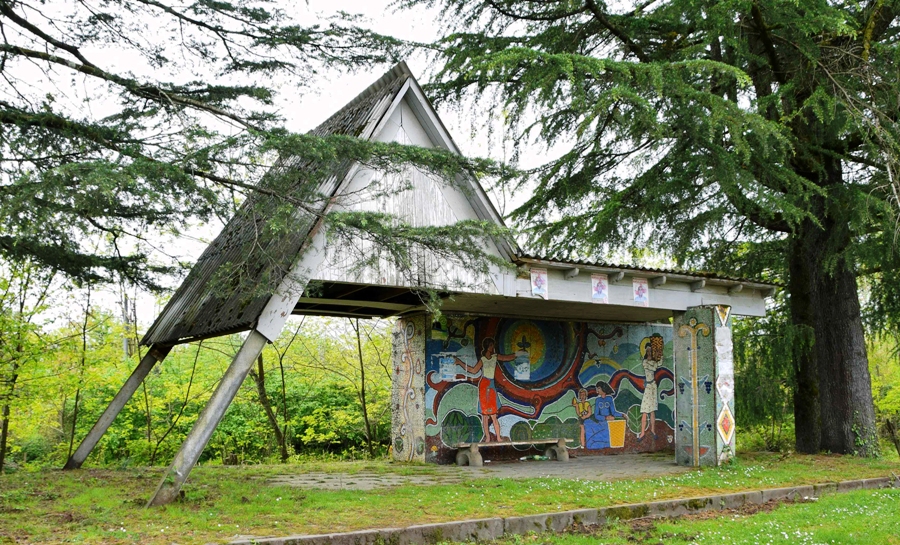
Bus Stand Shelter in Kakhuri – Hostile Architecture
Future-ready shelters must prioritize resilience. Reinforced roofs, impact-resistant glazing, integrated drainage, and wind-shielding enclosures can transform them into protective micro-architectures during natural calamities. Importantly, in flood-prone regions, shelters could include stair access to reinforced rooftops, allowing commuters to reach higher ground until rescue arrives-turning bus stops into true lifesaving infrastructure.
Bus shelters should embrace inclusivity: barrier-free access, space for strollers and wheelchairs, tactile paving for the visually impaired. As a “cherry on the pie”, contextual design can give each shelter civic identity while maintaining a universal, modular core.
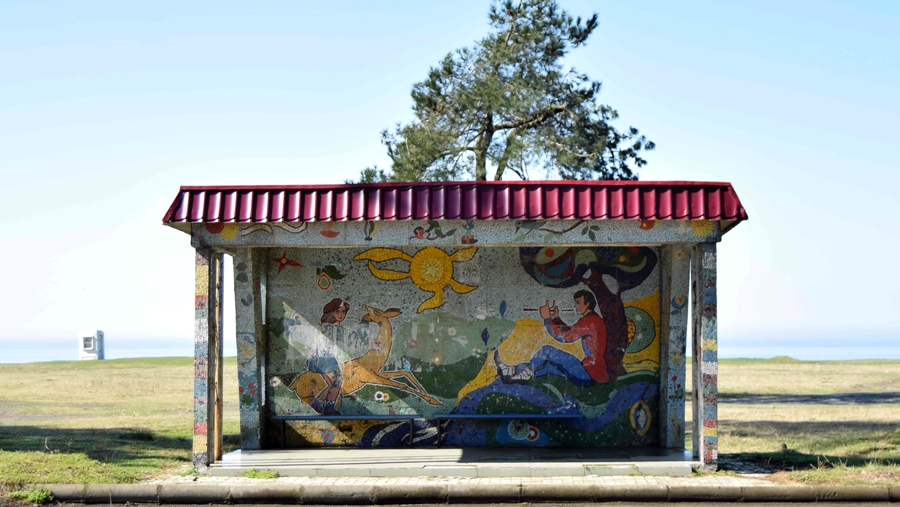
Bus Stand Shelter in Kobuleti
Which significant aspects of the global platform ‘zerobeyond – the new frontier!’ did you like the most, and why?
What I appreciate the most about ‘zerobeyond – the new frontier!’ is its coherence: the global platform emphasizes thoughtful and high-quality content, thereby allowing ideas to emerge freely and authentically. I am particularly drawn to the GEN Z Series. Being at the forefront of fresh ideas and unconventional approaches is crucial – it inspires us to think beyond age-old frameworks.
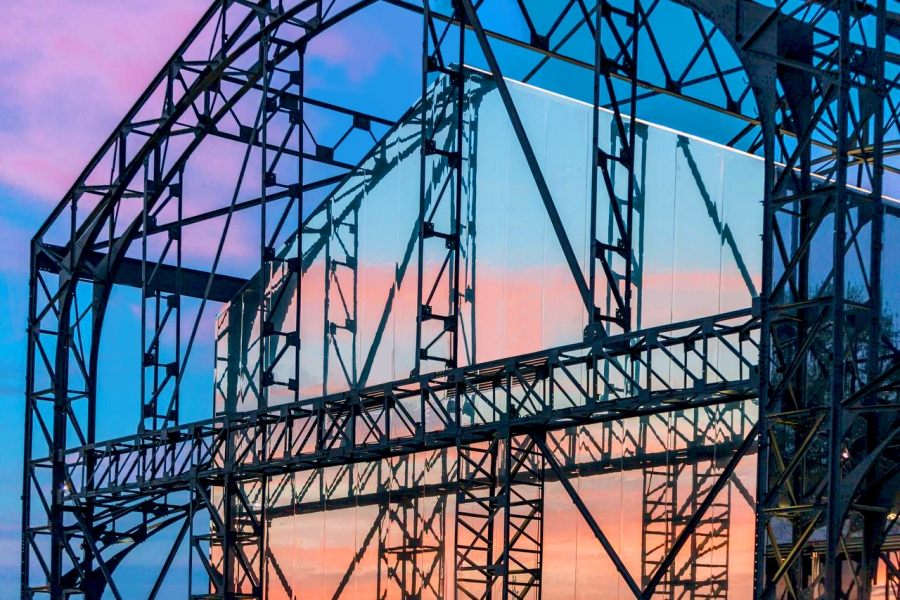
Warehouses in Nizhny Novgorod
The “Global Urban Failure”, especially the ‘Drainage and Sewage Systems’, has seen all the major cities being flooded 365 days of each year. Elucidate your perspectives and solutions as to how can the future of urban planning of cities, towns or villages can be tackled to overcome this existential earth crisis?
Cities are dense rapidly and outdated stormwater systems can no longer cope with today’s volumes or runoff speed. Addressing this problem is both complex and costly, especially in cities like Paris, where a labyrinth of underground tunnels makes street excavation risky and prone to collapses.
I believe solutions lie in combining approaches:
- Construction of retention reservoirs to buffer sudden stormwater surges;
- Upgrading and expanding existing drainage networks;
Adoption of the “Sponge City Model” – first developed in China, where water is absorbed and stored by the city itself.
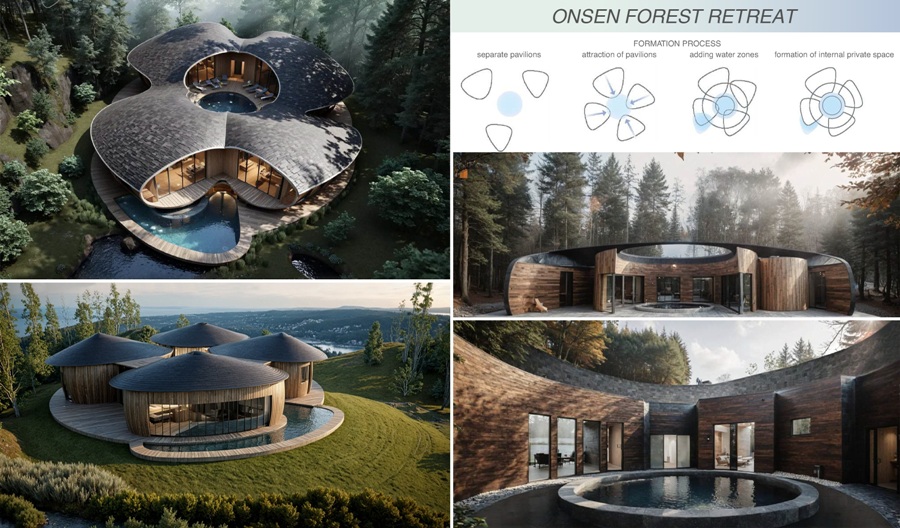
Onsen Forest Retreat
Looking at the past in the present, what are the futuristic architectural changes you would like to see in your home city? Elucidate the reasons for your vision.
Looking at my home city Rostov-on-Don through the lens of the future, I envision changes that prioritize accessibility for people with limited mobility. Futuristic design should not only be mere spectacle, but also it must address real urban challenges. This is an acute problem for most post-Soviet cities.
Pedestrian environments demand special attention: historic sidewalks are often narrow and cluttered, making movement unsafe, especially for people with limited mobility, parents with strollers, or the elderly. Future solutions should include wider pedestrian zones, barrier-free access, tactile paving, gentle ramps, and integrated greenery.
I also see the city as a system of energy reuse. Innovations like controlled greenhouses that recycle rainwater illustrate how urban design can merge sustainability with productivity and innovation.
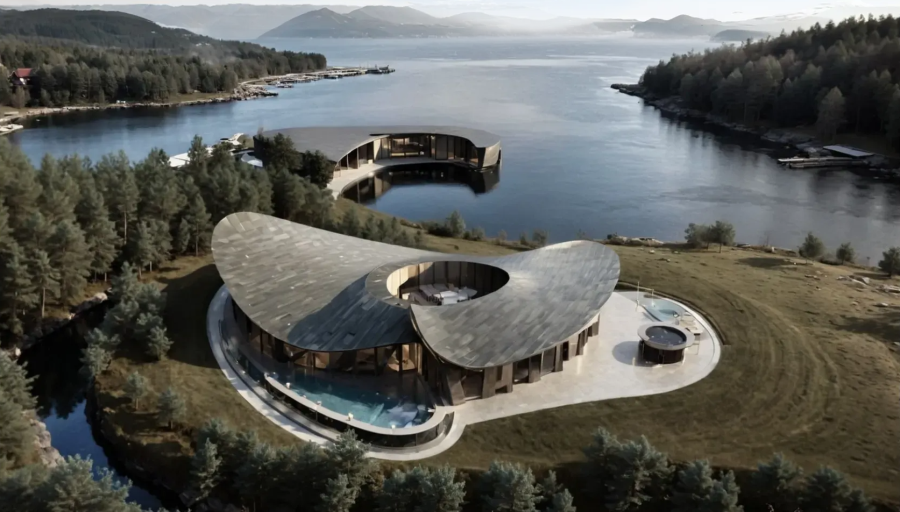
Onsen Spa Forest Retreat Concept
Honors and awards related to architecture, if any.
- 2025 International Architecture & Design Awards – ‘Residential Complex Zilart’ Project;
- 2024 Shortlist of architectural award by Italian magazine The Plan – ‘Pack-Houses Cultural Complex’ Project(Team Member of Bureau SPEECH);
- 2023 Winning the International Architecture Award in the ‘Restoration / Renovation category’;
- 2023 The Golden Section Festival Award – ‘Best Implemented Restoration Project’;
- 2022 Award of the International Architectural Festival “Zodchestvo” Silver Diploma;
- 2022 Nominated for Award Golden Trezzini;
- 2022 Innovative Public Interior;
- 2021 The winning project of the closed competition – ‘Concept Development of the Moscow City Business District’.
Image Courtesy: Anastasia Bogoduhova