Renowned firms such as Chapman Taylor and Broadway Malyan are emulating the successful global impact of our GEN Z Series. It gives me great happiness and pride to see more and more architecture firms have started to give more importance to the younger professionals – after ‘zerobeyond – the new frontier’s passionate and sincere efforts in highlighting the creative journeys of the younger generation with their outstanding theses. This success truly belongs to the younger professionals, who have come forward with confidence to unleash their creativity and showcase their creative inclination through their theses. Hats off to all the participants of our GEN Z Series!
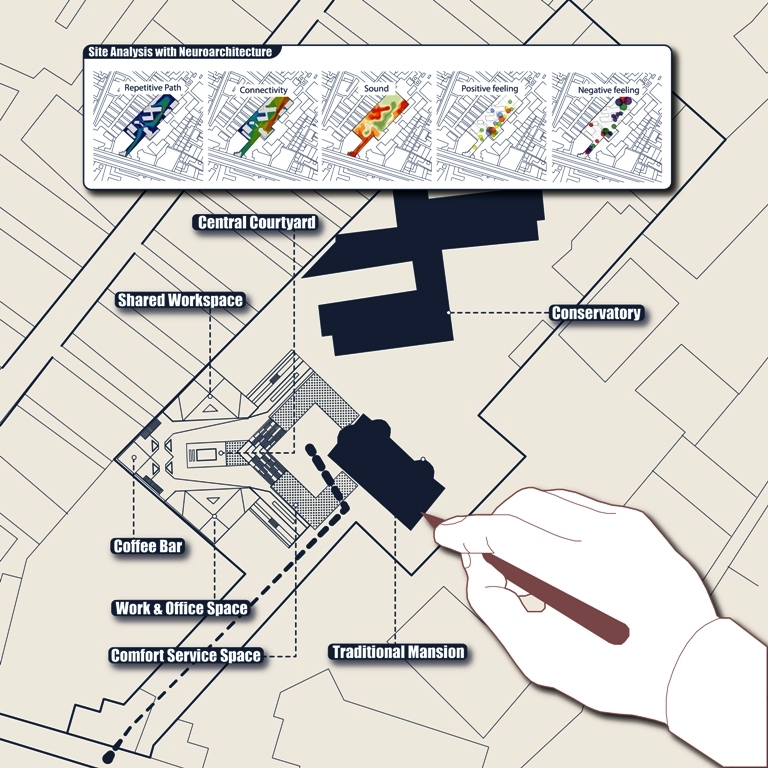
Site Analysis with Neuroarchitecture
‘zerobeyond – the new frontier!’ had featured Romanian Architect Amalia Radasanu on the 23rd of June 2023 https://zerobeyond.com/mumbles-seaweed-world-swansea-uk/
Interesting to see how Chapman Taylor presented Amalia Radasanu on their website on the 21st of May 2025 https://www.chapmantaylor.com/news/people-profile-amalia-radasanu-on-working-as-an-architectural-assistant-and-studying-for-a-masters-degree-through-chapman-taylors-apprenticeship-programme
On similar lines, Broadway Malyan presented Ally Tan on their website on the 15th October 2025 https://www.broadwaymalyan.com/design-and-insight/five-minutes-with-ally-tan/
I am happy to see younger professionals are getting the much-required space in renowned architecture firms — this has always been my dream to see the younger generation – who are going to design and save the future world – get their creativity being unleashed and noticed on a global parameter. Empowering the younger generation of professionals by seniors is the first step and the most significant one in the field of architecture. The history of architecture reveals this universal mentorship has created outstanding and renowned architects in every parts of the world. ‘zerobeyond – the new frontier!’ is committed and will always encourage the younger generation of professionals, who may never get the chance to give interviews in global media even after 15 or 20 years of being in the field.
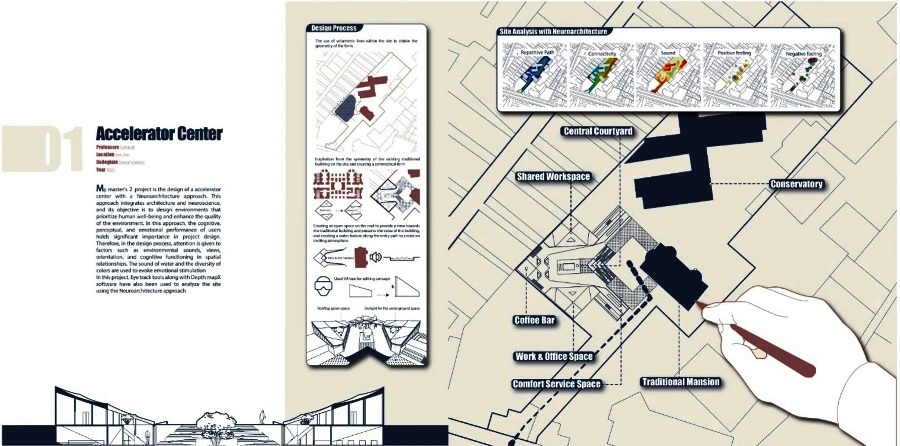
Acceleratore Center
Each time I meet and interview young professionals, they teach me so much about life’s quest and professional hardships – One of the main reasons, why I give valuable tips to better their professional journeys in our GEN Z Series.
The GEN Z Series travels to Tehran, Iran to meet an outstanding Ph. D Candidate Reyhaneh Raisi at the IUST – Iran University of Science and Technology. She has focused her Doctoral Research on “Neuroarchitecture and Neurolandscape, exploring how architectural and landscape environments influence the brain, perception, and emotional well-being”. She enthuses, “I integrate VR, EEG, eye-tracking, and biosensors with architectural analysis to understand how people perceive and experience their surroundings. The goal is to translate these insights into body-informed design strategies that improve cognitive comfort, perceived safety, and emotional health. By bridging architecture and neuroscience, I strive to create spaces that are both functional and emotionally supportive – from public micro-environments to campuses and everyday city corridors.”
Reyhaneh Raisi completed her B.Sc. in Architecture from Islamic Azad University in 2020, graduating First Class and earned her M.Sc. in Architecture from Shiraz University in 2023 with First-class Honors. She informs, “I was born in Iran and currently live in Shiraz. My father is a mechanical engineer and my mother is a homemaker. During my teenage years I developed a deep interest in architecture – especially how spaces shape how we feel and behave – which led me to pursue it academically.”
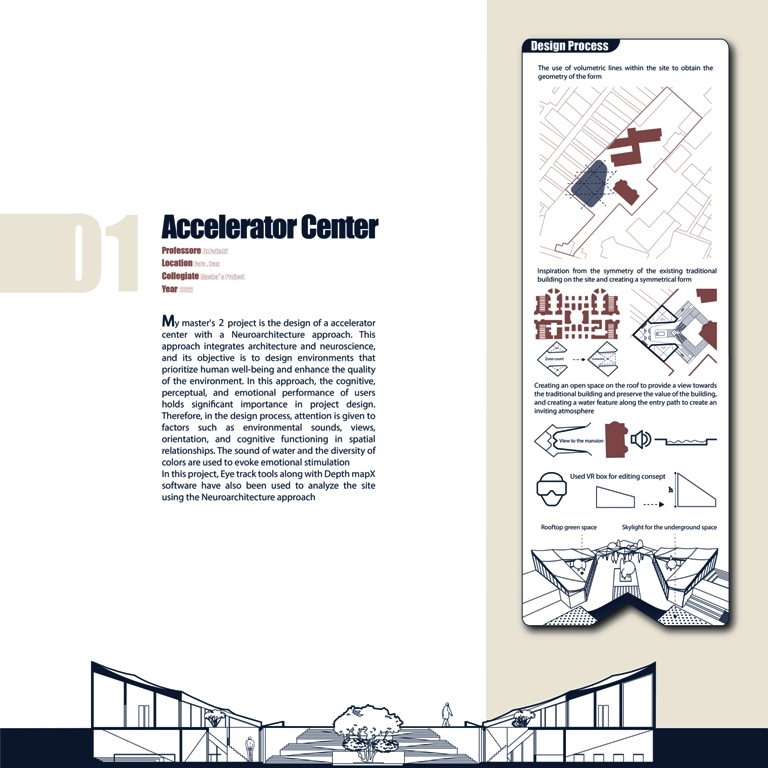
Design Process
Johnny D has an interesting interaction with Reyhaneh Raisi about her academic journey and her passion for neuroarchitecture to better lives of the people.
What was your childhood ambition? Have you always wanted to become an architect?
As a kid, I was obsessed with light, steps and corners. I built pillow-forts, rearranged furniture when my parents were not looking and made tiny bus shelters out of cardboard. I “surveyed” our balcony with my father’s tape, measure and kept a small notebook of how morning light slid across the floor. I did not have the word for it, but I loved how places could change mood – quiet here, lively there (smiles). Architecture felt less like a career and more like learning a language I was already speaking.
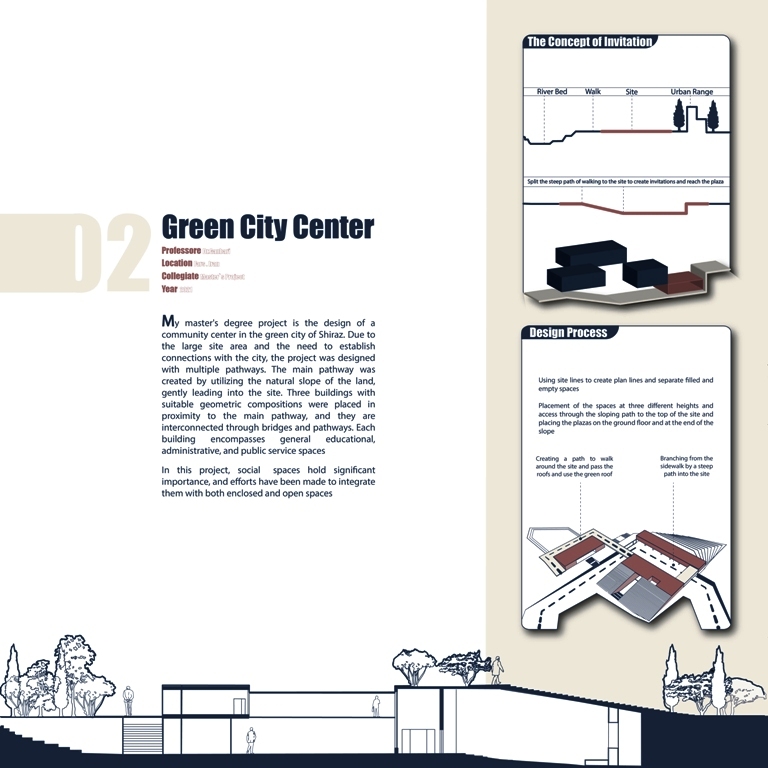
Green City Center
How has architecture influenced your life as a student?
Architecture rewired how I felt places before I analyzed them. I noticed how light can lower my shoulders, how glare tightens the jaw, how a shaded bench slows time, and how a noisy atrium speeds up breathing. A good threshold can make a stranger feel welcome; a quiet corner can restore attention; a clear path can calm the mind. As a student, all these turned my walks into little “emotional maps” of the city – zones of comfort, tension and wonder.
Studio then became less about objects and more about states: ease, alertness and belonging. Group critiques taught me to read a room’s mood, not just its drawings. I began designing with small levers that steer feeling – edge clarity, warm light, a handle that invites and a seat that supports conversation without forcing it. Architecture taught me that emotion is not decoration; it is part of performance. That awareness made me gentler with people and more exacting with details – because details quietly shape how we feel.
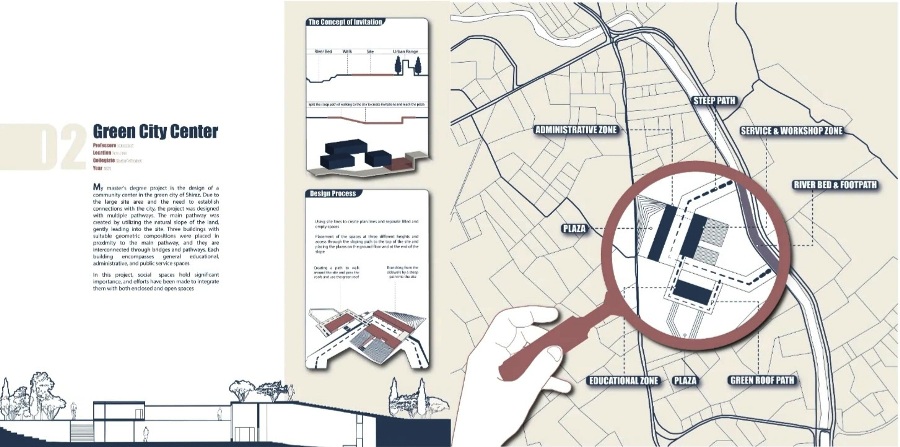
Green City Center Detailing
Briefly tell us about your University and the Master’s Course.
At Shiraz University I first encountered neuroarchitecture and got immersed in how the environment can influence attention, stress and memory. I joined TechLab at the architecture school, where we ran simple experiments – basic eye-tracking, heart-rate trends and behavioral observations in mock-ups and VR scenes. That experience showed me architecture is not “just drawing lines”; it is the design of conditions that steer perception and everyday behavior. It made me a more curious and prototype-driven designer.
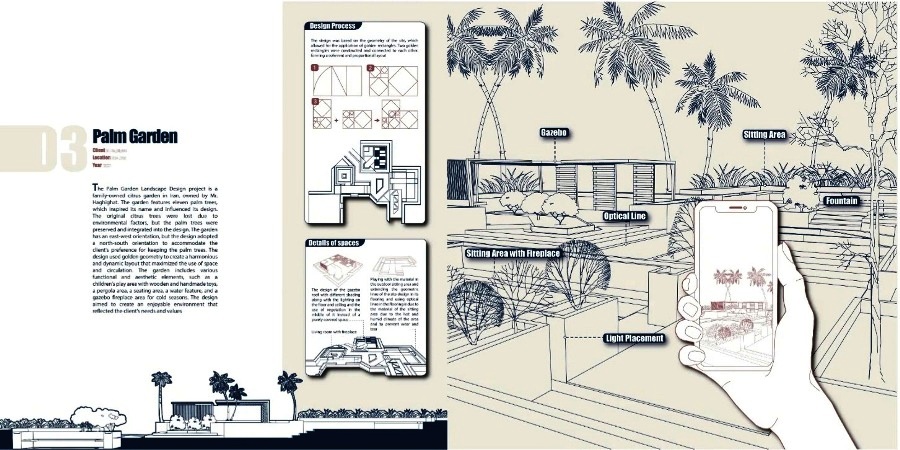
Palm Garden
You are pursuing your Ph.D. currently. Briefly elucidate your Doctoral Thesis and state the reasons behind it.
My Ph. D sits at the intersection of neuroscience and landscape design. I study how everyday outdoor features – lighting hierarchy, planting structure, edge clarity, visibility and degrees of enclosure – shape the brain–body response and in turn, perceived environmental security, arousal and comfort. In VR scenes that simulate public open spaces, I use eye-tracking to capture attention and a small suite of biosignals (e.g., EDA/HRV/RR) as objective markers of stress–calm. The result is an “emotional map” that shows where people feel exposed vs. sheltered, lost vs. guided.
The aim is to convert these patterns into actionable landscape rules for small but high-impact interventions: shade that lowers arousal, planting that preserves sightlines, thresholds that read as safe and welcoming, and non-glare lighting that calms rather than startles. I chose this direction to move beyond opinion and aesthetics toward evidence-based landscape design – decisions that people can literally feel in their bodies during everyday use.
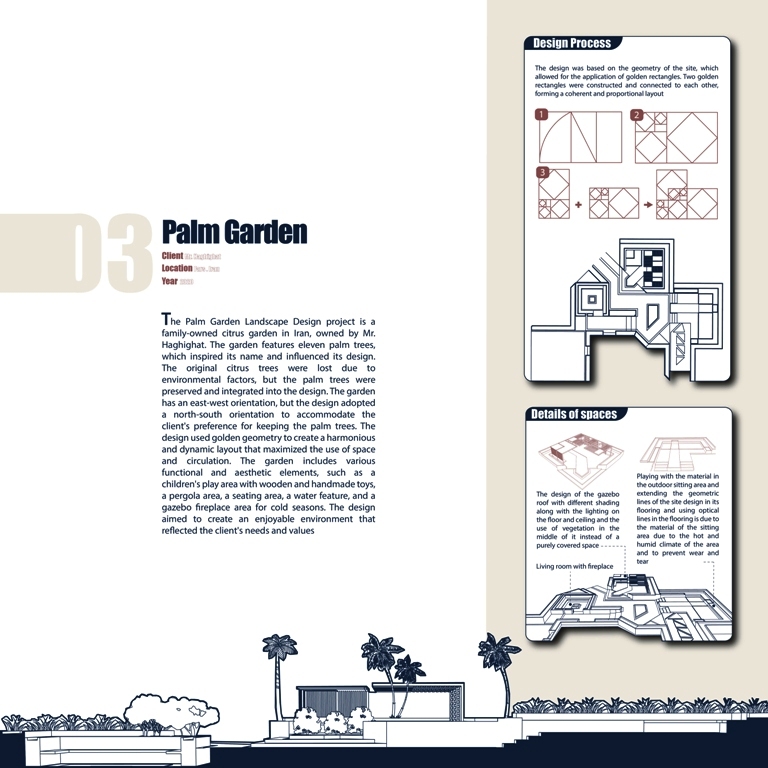
Palm Garden Design Process
Briefly describe the significance of your project with the Title of the Project and Site Location.
Title: The Missing Layer in Neuro-Architecture: Scalable Environmental “Safety & Calm” Mapping for Everyday Urban Spaces
Site/Context: Tehran / Shiraz – ordinary micro-spaces such as bus stops, path edges, underpasses and campus corridors.
Significance: Many urban moments feel stressful for reasons that are small but cumulative – glare, exposure to traffic, harsh lighting and unclear edges. My project develops a lightweight, scalable workflow to locate and fix these moments. The process runs into three steps:
Sense & Label: In controlled VR scenes and field mock-ups, we record eye movements and simple physio-affective cues, while participants experience different spatial variations (lighting hierarchy, planting structure, edge clarity and enclosure).
Pattern & Predict: We look for consistent patterns – where do people relax, where do they tense up? Simple models then help predict how a given combination of features will likely affect calm and legibility.
Design & Verify: We propose micro-interventions (deeper eaves, side shields, noise buffers, biophilic edges, non-glare lighting, clearer thresholds) and re-check that the experience actually improves.
The result is not a gadget, but a decision aid for designers and municipalities: a way to prioritize small budgets where they have the largest everyday benefits. By focusing on “ordinary” places where thousands wait, pass and pause, the project aims to make cities kinder and more legible – a practical bridge between research and the places we use every day.
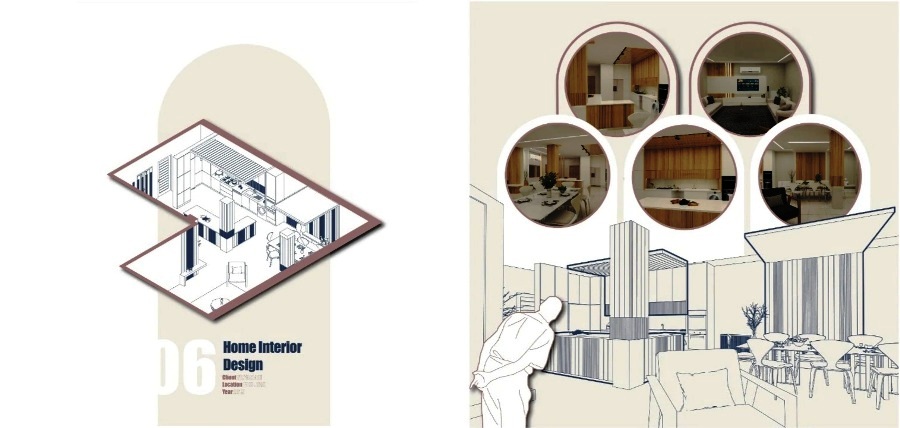
Home Interior Design
Which National or International architect has inspired / influenced you? Please specify as to why.
Mario Botta. I am drawn to his disciplined geometry and the way thick walls, simple forms and carefully cut light create silence and gravity. His brick and stone carry a civic weight, yet the interiors feel calm and humane. Botta proves that restraint can be powerful – space is shaped by structure, shadow and proportion rather than spectacle. That clarity without coldness is a compass for me.
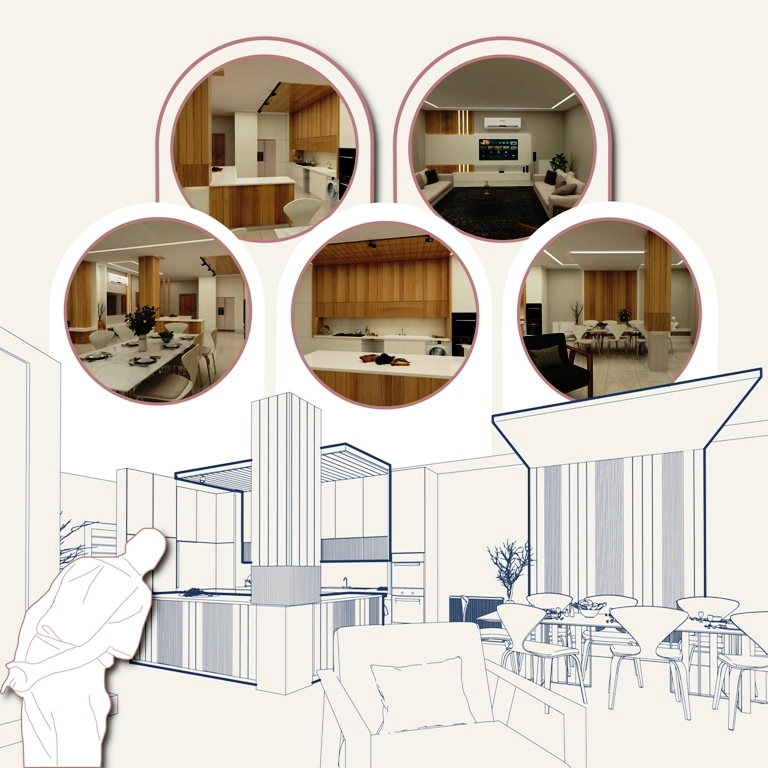
Home Interior Design Detailing
As an Intern, what is the most important lesson(s) you have learned from senior architects, while being a part of a project?
Two simple lessons: First: details steer behavior – a comfortable bench angle or a shaded edge can turn waiting into resting. Second: listen to the people who keep places alive – guards, cleaners and shop owners. They taught me which corners fail by noon and which materials survive real life. Measure twice, drill once… and talk to maintenance before both.
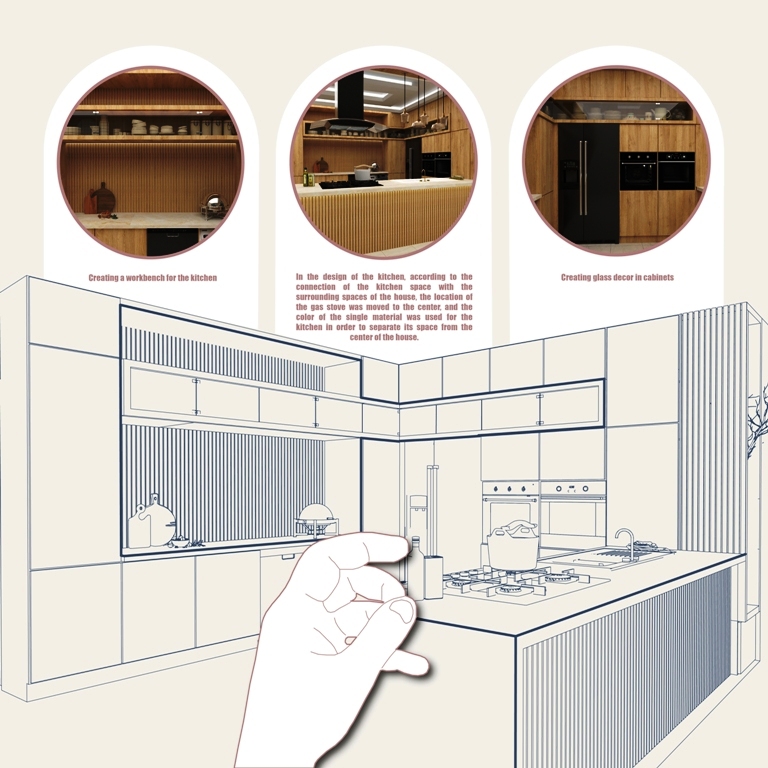
Kitchen Design Detailing
What are the current prospects and challenges of jobs’ opportunities for fresh young architects in Tehran, Iran?
In practice, most work for young architects is renovation / adaptive reuse and interior fit-outs – given the economy. Large new projects are typically awarded to well-known firms / architects. Challenges: tight budgets, fee instability and slow permits.
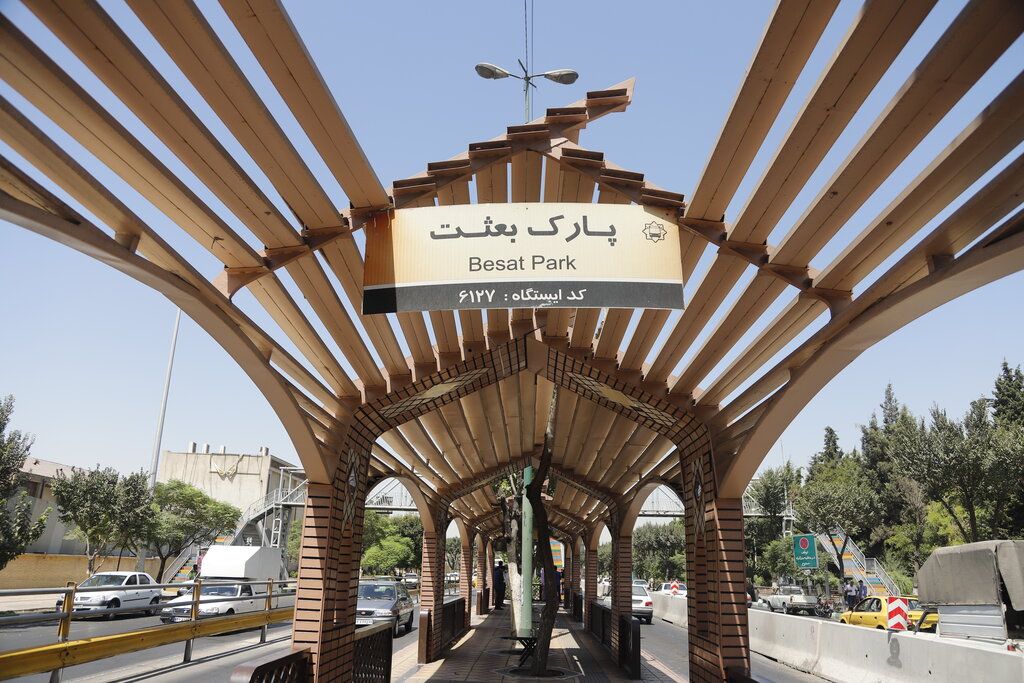
Besat Park Bus Stand Shelter, Iran – Hostile Architecture
Bus Stand Shelters around the world have become iconic symbols of ‘Hostile Architecture’. Elucidate how ‘Bus Stand Shelters’ can be made commuters-friendly to protect them during rain, hailstorm and floods, so that it becomes an iconic symbol of architecture of every city in the world.
Provide deep eaves and side wind-shields, non-glare lighting, drip-free gutters, raised curbs, anti-splash paving and real-time info should become mandatory in design. Add tactile cues and a small bag shelf. Seats should be comfortable for 10 minutes without fidgeting. Use of repairable modules and specify finishes that survive weather and heavy use. The goal: a small room in the city that protects, orients and calms – an everyday kindness that scales.
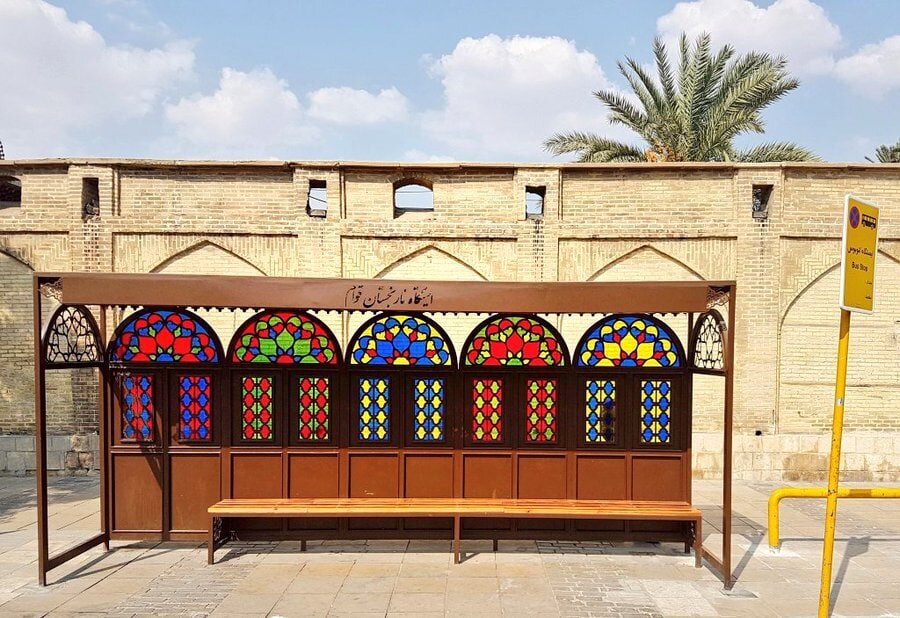
Bus Stand Shelter, Iran – Hostile Architecture
Which significant aspects of the global platform ‘zerobeyond – the new frontier!’ did you like the most, and why?
‘zerobeyond – the new frontier’s long-form interviews that share process and students’ quest read like real conversations, and not like press releases – useful for young designers, who are still figuring things out is what I like the most!
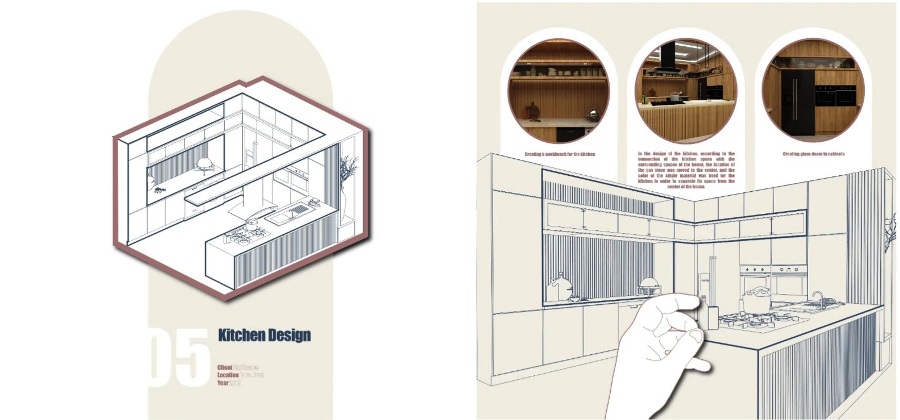
Kitchen Design
The “Global Urban Failure” has seen all the major cities being flooded each year repeatedly. Elucidate your perspectives and solutions as a Landscape Architect?
Adopting sponge-city logic: permeable streets, bioswales, water squares, detention roofs and separated storm sewers. Pairing designing with care – maintenance budgets, risk mapping and community stewardship. Resilience is half infrastructure and half governance.
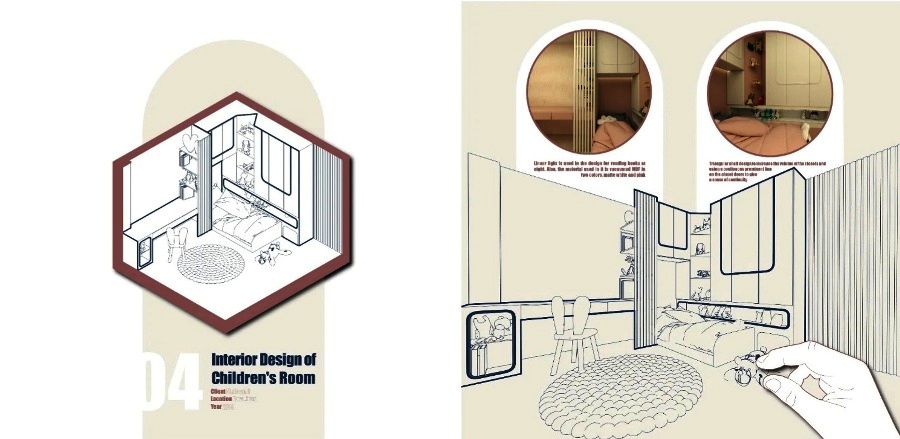
Interior Design of Children`s Room
Looking at the past in the present, what are the futuristic landscape and the architectural changes you would like to see in your home city? Elucidate the reasons for your vision.
For Shiraz: a necklace of shaded walking corridors, calm night-lighting (less glare and more legibility) and pocket parks stitched into daily routes – These modest moves will lower the heat and stress, while supporting safe and active mobility.
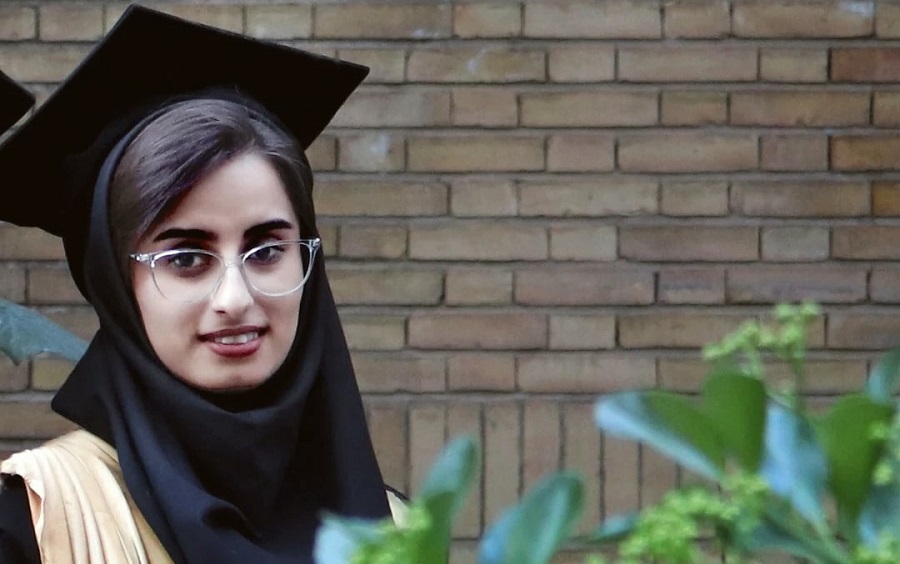
Moment of Pride
Image Courtesy: Reyhaneh Raisi
Philosophy Signature: “Every story, every design, every experiment has its own voice. My role is simply to listen, record and share – letting the work of emerging architects speak for self and inspire others along the way.” – Johnny D