Polimi Students are GEN Z Series Prominent Stars
One institution that stands out in our GEN Z Series is Politecnico di Milano. Master’s students from the Sustainable Architecture and Landscape Design Course have showcased their design creations with great confidence, while sharing their exploration in the field. This confidence building and imparting global knowledge speaks high about the commitment of learned Dean, Professors and Management for truly making this world a better place. How I wish more institutions from all across the world would teach their students to capture every opportunity they get to showcase their futuristic theses in the world of architecture!
Politecnico di Milano Master’s Course in Sustainable Architecture and Landscape Design has a rigorous programme that masterfully balances technical environmental systems with multidisciplinary, hands-on design studios. By fostering an inclusive, multicultural studio environment on its Piacenza Campus, the university encourages global students from more than 140 countries to exchange diverse perspectives, push the boundaries of design thinking, and address complex contemporary environmental challenges.
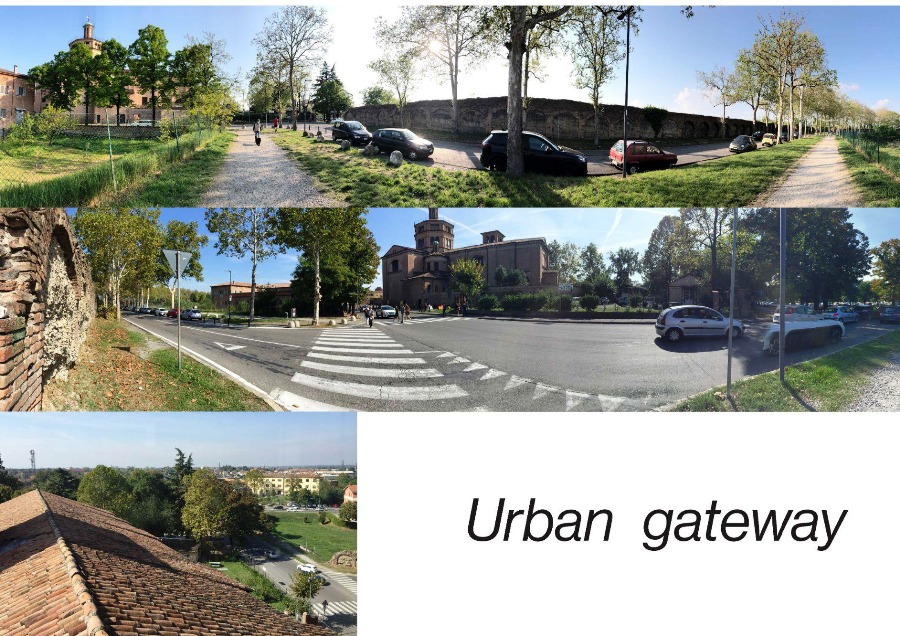
Urban Gateway – Current Scenario
Empowering the Young Minds
Politecnico di Milano’s empowering educational methodology equips students with the self-assurance needed to compete internationally, as proven over the last five years by their outstanding talent and creativity showcased on our GEN Z Series. ‘zerobeyond – the new frontier!’ has played a significant role in empowering and mentoring the younger generation by giving them once-in-a-lifetime opportunity to share their exploration and design creations. The innovative landscape visions and sustainable design projects of these students have gained international acclaim, bridging the gap between academic exploration and real-world impact.
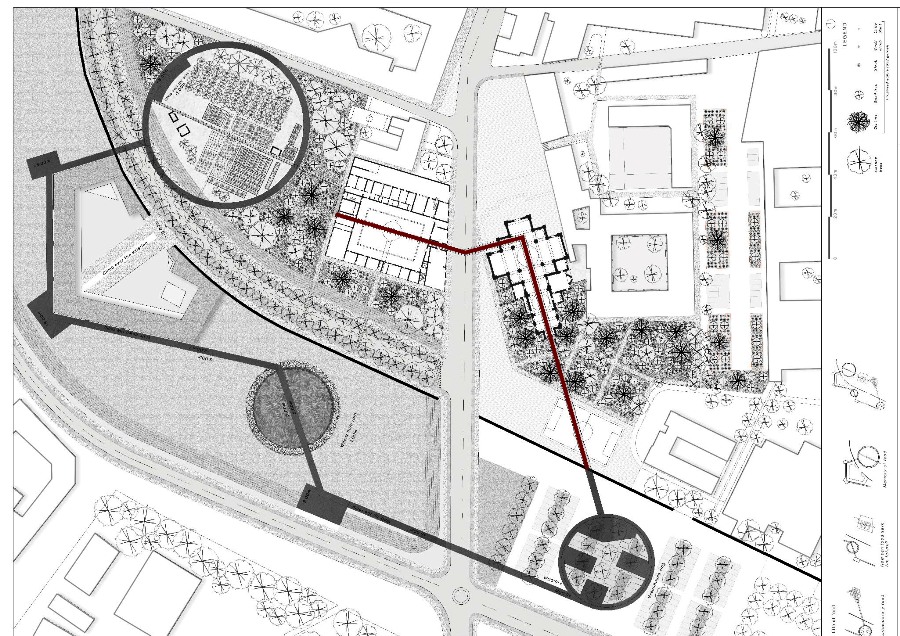
Master Plan
Indian Landscape Architect
Srividya Mushty hails from Vijayawada, India. She comes from a well-nurtured close-knit and value-driven family. Interestingly, she is the first in her family to embark in the field of architecture. She enthuses, “My elder brother is a Software Engineer. He has been a constant support and my partner is a Data Engineer, who is my greatest cheerleader (smiles). My father is a practicing Chartered Accountant with a generalist-specialist mindset, while my mother is a devoted homemaker. Having growing up surrounded by loving grandparents, uncles, aunts and cousins, I developed a strong sense of belonging and communal strength.”
Srividya Mushty informs, “My grandfather and mother have been my greatest strength. Both of them have constantly encouraged me to dream big, stay grounded and push beyond my comfort zone in pursuit of my passion and excellence. I am truly proud to be the first architect in my family (smiles).” Having being trained as a Carnatic classical singer and Veena from her childhood, Srividya Mushty discovered architecture during her teens. She reminisces, “I was fascinated by its unique ability to blend imagination with purpose and aesthetics with impact. My journey reflects not just a professional choice but a heartfelt passion to design meaningful, sustainable, and transformative spaces.”
From being in the musical background to architecture, her journey towards landscape architecture has been truly outstanding. Srividya Mushty comes across as a warm person with utmost respect towards being professional in her approach. After her completing her Master’s, Srividya Mushty joined Gerber Architekten, Berlin as an Architectural and Landscape Designer in January 2022.
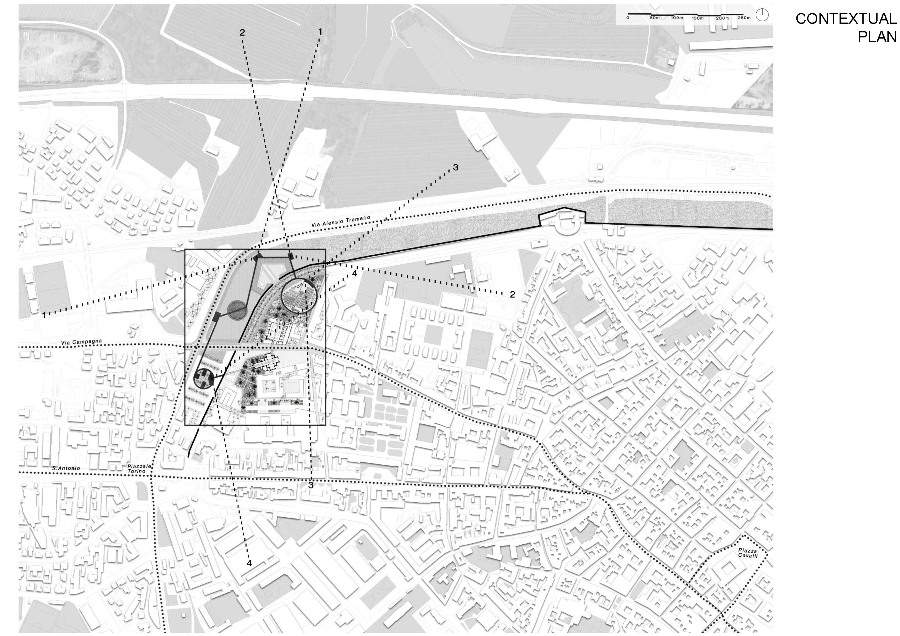
Contextual Plan
Johnny D interacts with Srividya Mushty to explore her journey and her Master’s thesis ‘Reclaiming Urban Thresholds, Piacenza’.
What was your childhood ambition? Have you always wanted to become a landscape architect?
As a child, I did not grow up with a defined ambition. I was curious and constantly exploring. That phase of exploration helped me become open-minded and reflective individual. It was during my Bachelor’s that I discovered Landscape Architecture.
I realized that buildings were designed in isolation and felt incomplete, spaces without a meaningful relationship to their surroundings often lacked life. This insight shifted my perspective. I became deeply interested in how built forms and natural systems could work together. Landscape Architecture felt like finding the missing piece that gave me a holistic perspective to my design thinking.
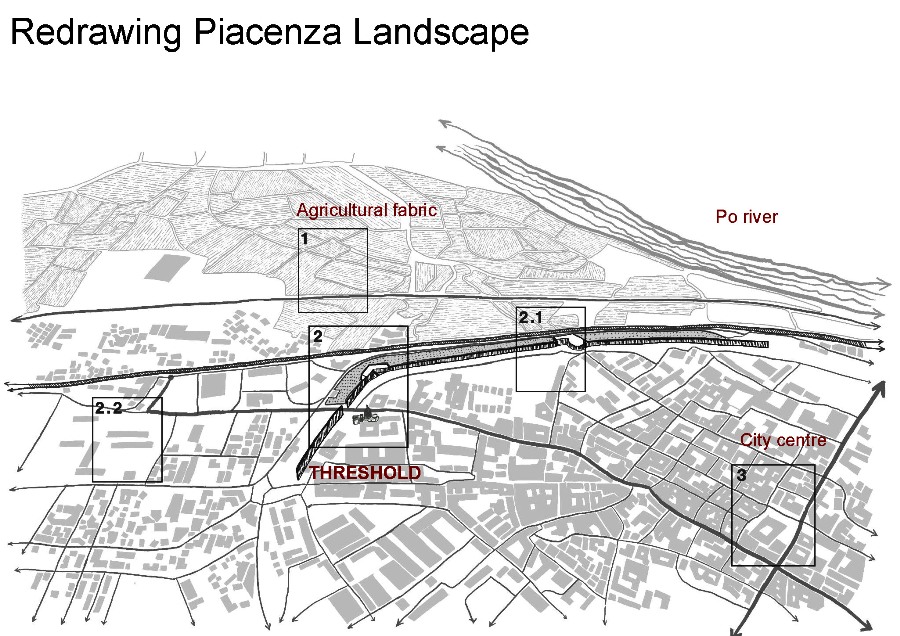
Redrawing Piacenza Landscape
How has architecture and landscape architecture influenced your life as a student?
Architecture transformed the way I see the world. It taught me that spaces are not only physical structures, but also deeply influence humans’ well-being. This became evident during the COVID lockdown, when we were all confined indoors. It strengthened my sense of responsibility to design spaces that improve lives.
In a time when life is increasingly digital and fast-paced, I realized the importance of reconnecting people with nature. At the same time, I became more aware of the urgent realities of climate change, and the role landscape can play to build resilience, balance ecosystems and foster long-term sustainability. Together, these disciplines shaped me into a more empathetic and conscious designer.
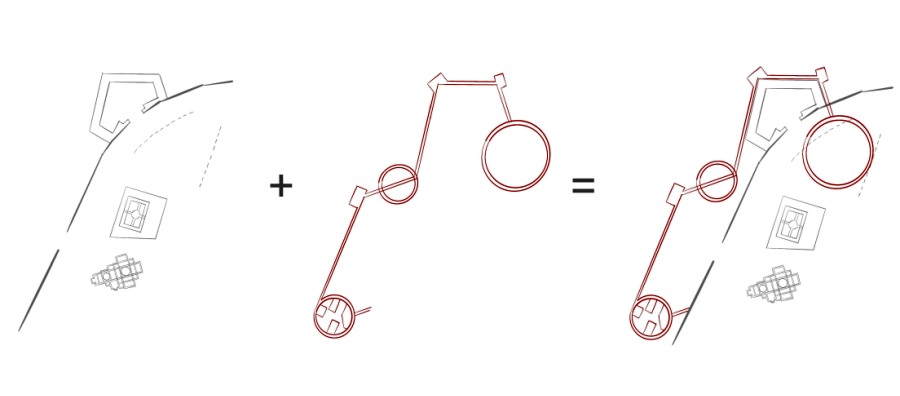
Concept Diagram
Having completed your B. Arch from School of Planning and Architecture, Vijayawada – India, what were the challenges you had to face at Politecnico di Milano – Italy to pursue your M. Sc Sustainable Architecture and Landscape Design?
My architecture journey began at the School of Planning & Architecture, Vijayawada, where I built a strong foundation with peers from across India. Studying my Master’s at Politecnico di Milano gave me international exposure, broadening my perspective and shaping me into a culturally aware and forward-thinking designer.
One of my biggest challenges was adapting to a different academic culture. My education in India was more technically driven, while the Italian approach was creative and concept focused. Shifting my mindset from precision-led solutions to exploratory, narrative-driven design required conscious effort. Though challenging, the experience made me more adaptable, technically and creatively confident.
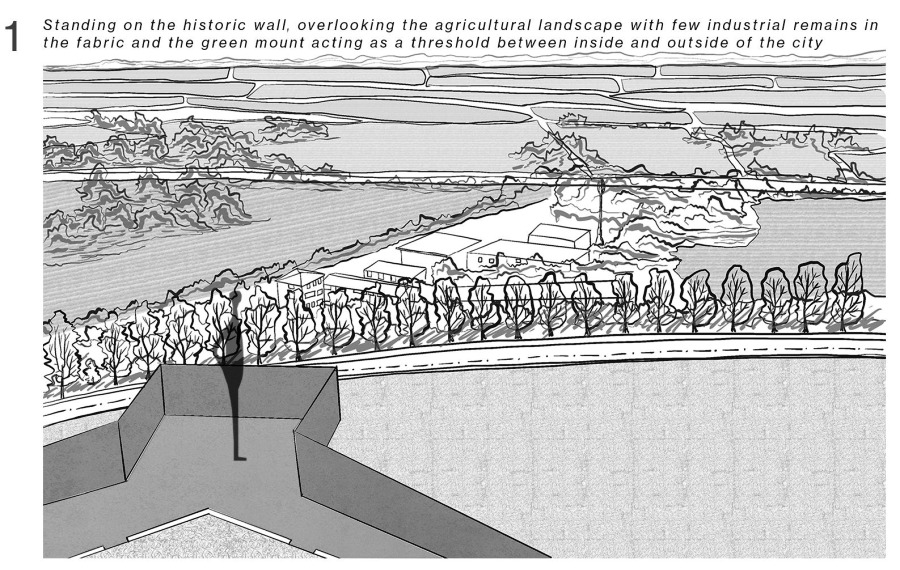
View from Historic Wall
Briefly describe the significance of your project with the ‘Title of the Project and Site Location’.
Reclaiming Urban Thresholds, Piacenza, Italy
This project in the urban fabric of Santa Maria di Campagna re-imagines underutilized and abandoned threshold spaces as opportunities, rather than voids within the urban fabric. Through in-depth research, I examined their spatial and social potential, uncovering how these overlooked edges can become powerful connectors in city life.
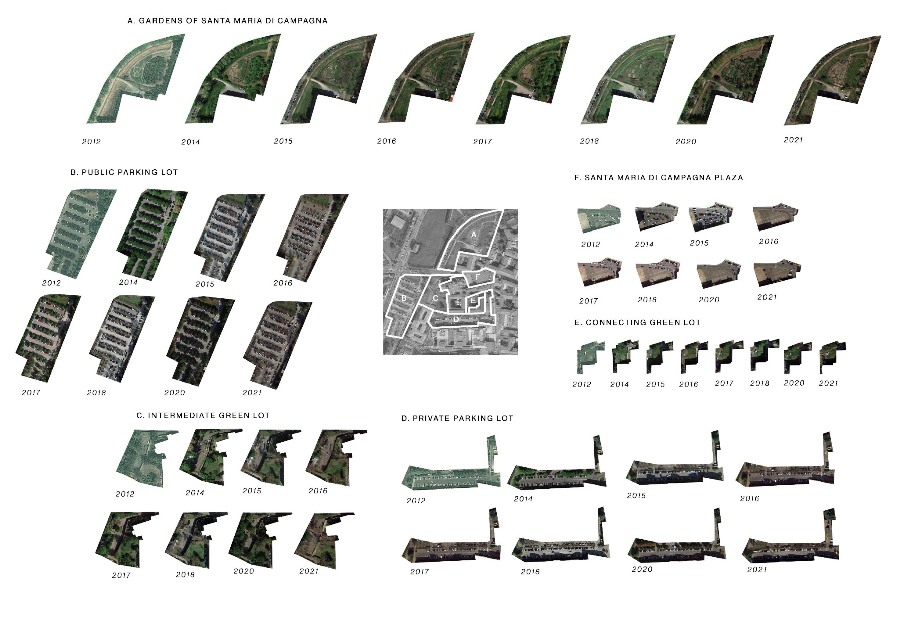
Situation over Time
The design translates these insights into a tactical urbanism strategy, introducing flexible, community-driven interventions such as edible and guerrilla gardens, seasonal pop-ups, parklets, gathering spaces and art installations.
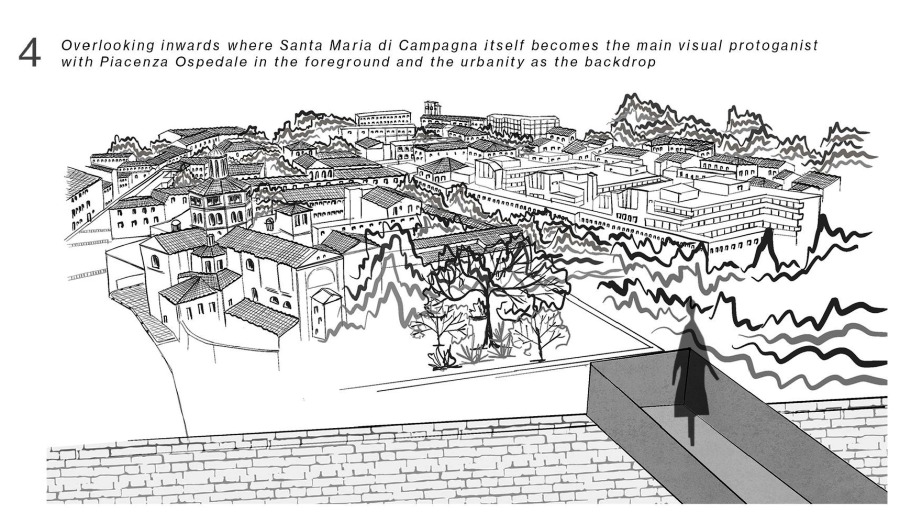
Santa Maria di Campagna
The significance of the project lies in reframing neglected thresholds as catalysts for social interaction and urban resilience. Rather than large-scale redevelopment, it advocates for strategic, human-scale interventions that reconnect communities with forgotten fragments of the city, demonstrating how small, thoughtful actions can generate meaningful urban transformation.
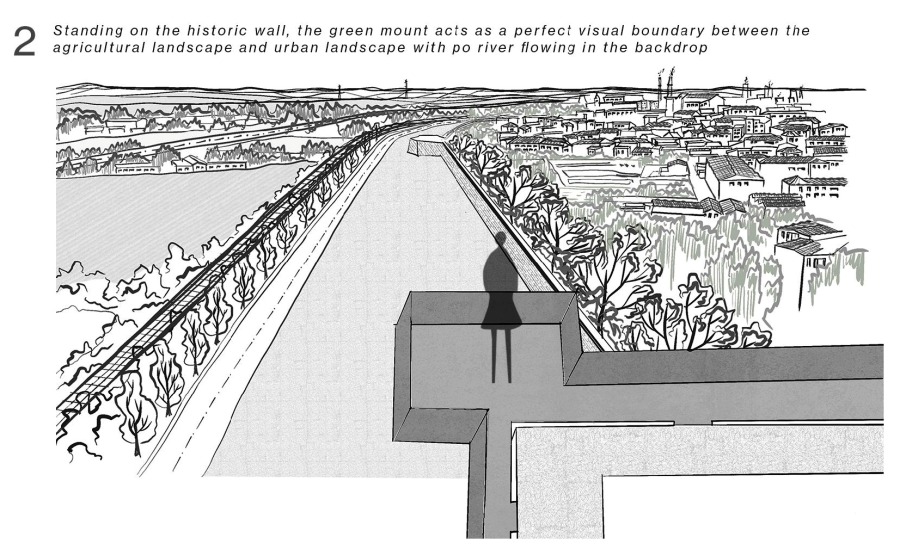
Gateway View
As an Intern, what is the most important lesson(s) you have learned from senior architects, while being a part of a project?
During my internship with Chetan Shivaprasad at Kham Design, I learned that the most powerful designs emerge from truly listening – to the client, the site and the context. He taught me to see constraints not as limitations, but as opportunities that spark creativity. Watching him effortlessly harmonize buildings with their environment deeply shaped my own design approach. I also gained valuable on-site experience in eco-friendly residential construction.
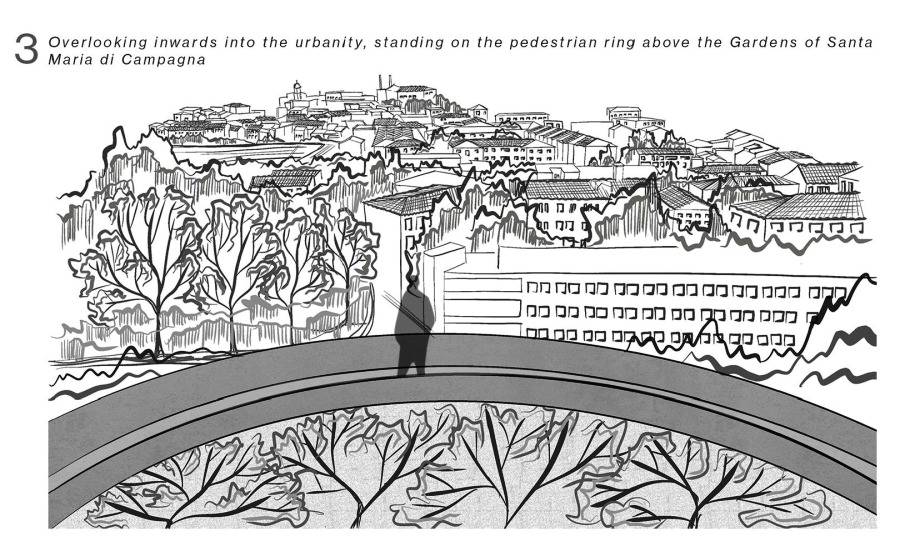
View from Elevated Ring
What are the current prospects and challenges of jobs’ opportunities for fresh young landscape architects in Berlin, Germany? Elucidate briefly.
Berlin offers exciting opportunities for young designers. As a multicultural and design-forward city, it is home to many international firms, making it a dynamic place to begin a career. That being said, the field remains highly competitive. Entry-level roles are limited and graduates compete with both local and international talents.
To stand out, gaining early European exposure through the Erasmus internship during a Master’s program can make a significant difference by building local experience and networks. While many studios work in English, learning German greatly improves integration and job prospects. Overall, Berlin presents strong opportunities, but requires pro-activeness, adaptability and strategic preparation.
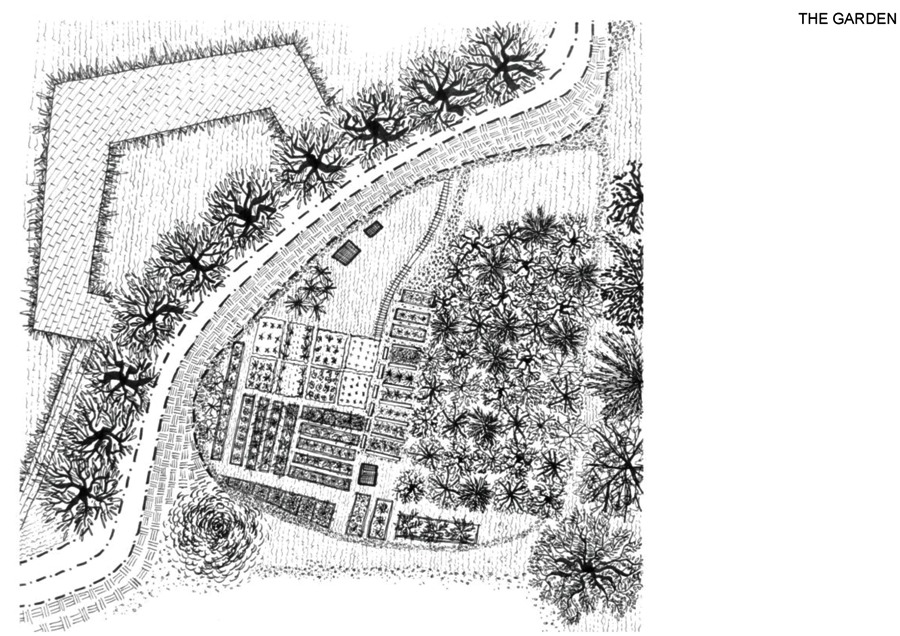
Current Garden Situation
What role do you perform as an Architectural and Landscape Designer at Gerber Architekten, Berlin office?
At Gerber Architekten’s Berlin office, my role spans from shaping early concepts to developing comprehensive urban-scale strategies. I work on concept sketches, massing studies, zoning plans, master plans, sections, landscape & sustainable frameworks, and technical detailing – transforming ambitious visions into structured design outcomes. I have had the opportunity to contribute to landmark projects, such as King Salman Park and futuristic developments in the NEOM region, and being part of these transformative projects has been both challenging and deeply rewarding.
Over the past year, I have also stepped into the Business Development side – crafting bid narratives, developing projects methodologies. This experience has given me an understanding of how design integrates with real-world business dynamics, thereby strengthening my perspective beyond creative realm.
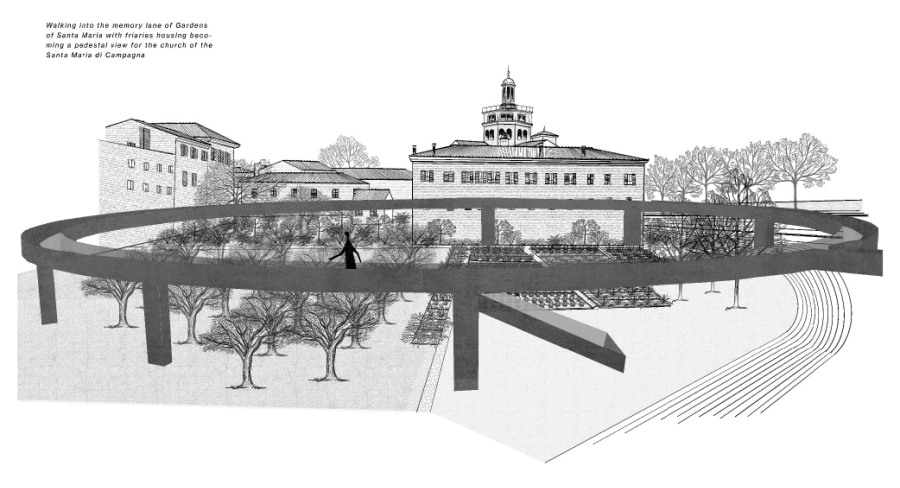
Communal Gardens
Which National or International landscape architect has inspired / influenced you? Please specify as to why?
Roberto Burle Marx has been a major inspiration for me, because he transformed landscape design into a true art form. He treated plants not only as species, but also as elements of shape, color and texture, thereby crafting bold and fluid compositions that felt both organic and dramatic. What fascinates me the most is how he blended artistic abstraction with ecological sensitivity to create landscapes that are visually striking!
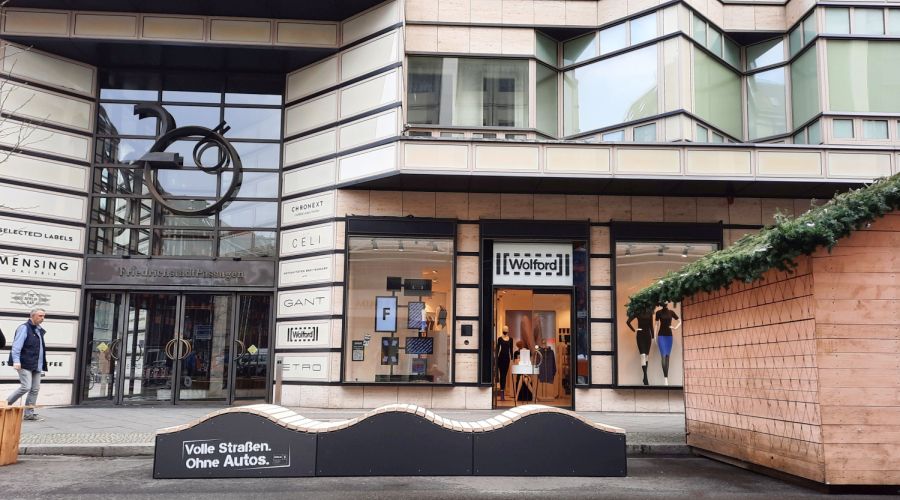
Wavy Bench at Friedrichstrasse – Hostile Architecture
Bus Stand Shelters around the world has become iconic symbols of ‘Hostile Architecture’. Elucidate how ‘Bus Stand Shelters’ can be made commuters-friendly to protect them during rain, hailstorm and floods, so that it becomes an iconic symbol of architecture in every part of the world.
By combining safety, comfort and inclusivity bus stand shelters can be made commuters-friendly. By merging weather resilience with subtle interventions like physical barriers, public seating, and accessible amenities, urban environments can ensure security without promoting exclusion, thereby cultivating highly welcoming public spaces
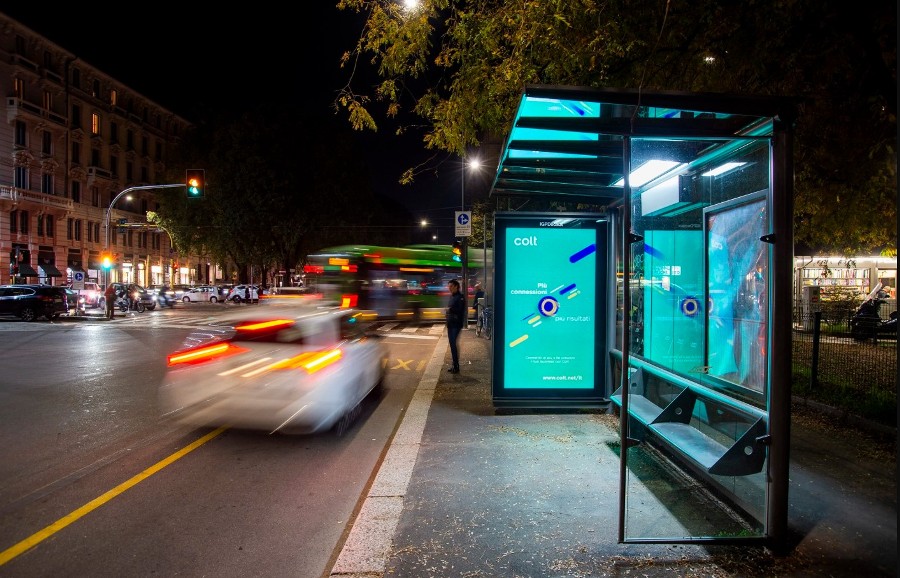
Bus Stand Shelter, Berlin – Hostile Architecture
Which significant aspects of the global platform ‘zerobeyond – the new frontier!’ did you like the most, and why?
What I appreciate the most about ‘zerobeyond – the new frontier!’ is how the global platform provides stage for young designers with their real journeys. Rather than just showcasing finished work, the platform highlights the stories behind the careers — the cultural shifts, bold decisions, challenges, and defining moments that shape creative paths.
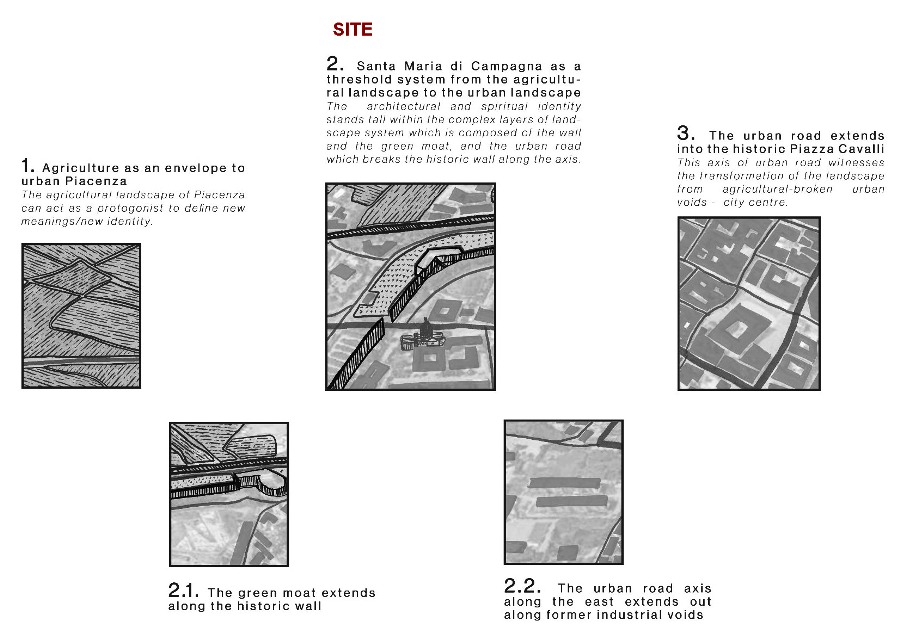
Landscape Characters
The “Global Urban Failure” has seen all the major cities being flooded all through the year in some or the other parts of the world. Elucidate your perspectives and solutions as a Landscape Architect.
As a Landscape Architect, I believe resilience lies in integrating engineering with layered, nature-based solutions. Cities should work at three levels: intrinsic solutions that protect and enhance existing ecosystems like wetlands and floodplains; hybrid solutions that modify and manage landscapes for better performance; and inspired solutions that create new ecosystems such as constructed wetlands and sponge landscapes.
When combined with strong infrastructure, these approaches allow cities to manage water intelligently and build environments that are adaptive, regenerative, and prepared for a climate-uncertain future.
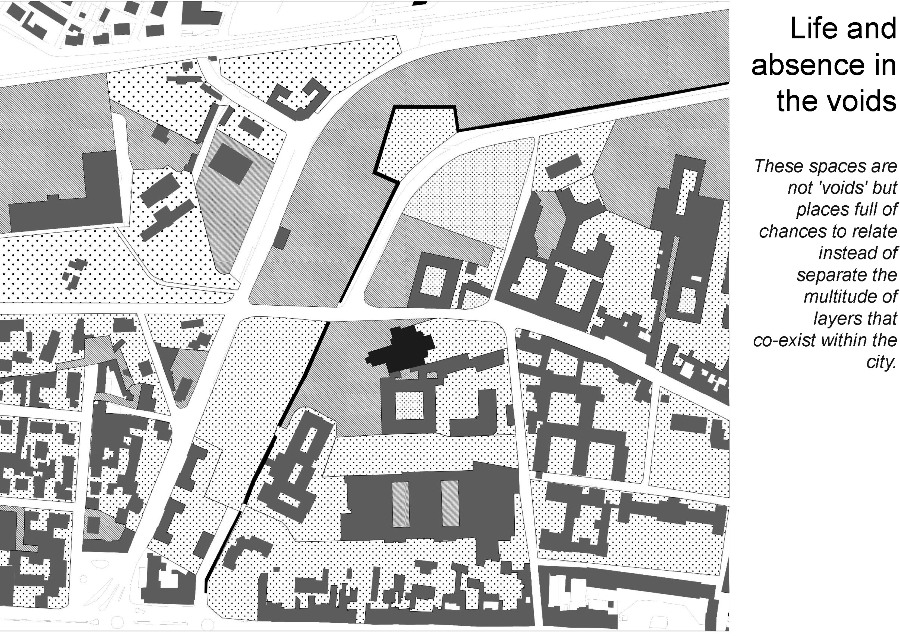
Urban Grains
Looking at the past in the present, what are the futuristic landscapes and architectural changes you would like to see in your home city / town? Elucidate the reasons for your vision.
My home city, Vijayawada, has rapidly emerged as one of India’s fastest-growing urban centers. This momentum presents a powerful opportunity not only to expand, but also to evolve thoughtfully.
I envision Vijayawada embracing blue-green infrastructure — restoring water systems, expanding urban green cover, and creating climate-responsive public realms — to address heat, air quality, and long-term resilience. At the same time, I hope to see a stronger emphasis on walkable streets and vibrant public spaces that encourage people to gather, move, and connect. For me, the future lies in becoming a healthier, more sustainable, and people-centered city — one that is truly desirable to live in.
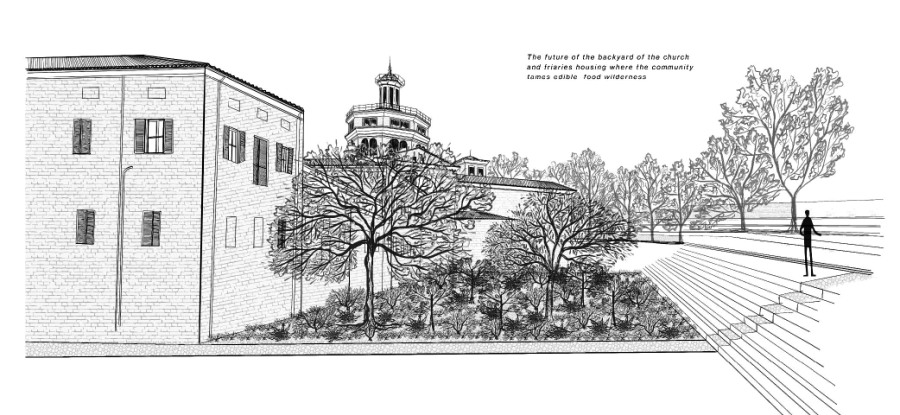
Edible Gardens
Image Courtesy: Srividya Mushty